

Plymouth Homes for Sale
Plymouth is one of the larger western suburbs of Minneapolis, with a broad mix of established neighborhoods, 1970s and 1980s housing, newer subdivisions, townhomes, condos, custom homes, and more recent luxury development.
Because Plymouth developed over several decades, the housing stock and neighborhood feel can vary significantly. Buyers may compare older ramblers and split-levels with newer two-story homes, townhome communities, wooded lots, golf-course-adjacent properties, and newer construction. Exact location, school boundary, lot size, renovation quality, road access, and proximity to parks and trails can all influence value.
Plymouth also provides convenient access to Minnetonka, Wayzata, Golden Valley, Maple Grove, and the broader western suburbs. Buyers should verify school assignments for any specific property because Plymouth spans multiple school districts.
Use the listings below to explore current Plymouth homes for sale. If you are considering buying or selling in Plymouth, Schedule a Consultation to talk through neighborhoods, current inventory, pricing, and market conditions.
Plymouth




A Local Guide to Plymouth Real Estate
Plymouth is a large and varied western suburb, so citywide averages rarely tell the whole story. Different areas of Plymouth developed at different times and can have noticeably different housing styles, lot sizes, street patterns, school boundaries, and access to parks, trails, shopping, and major roads.
After more than 20 years working throughout the western Twin Cities, I have found that Plymouth buyers often compare homes based on neighborhood, age, lot, renovation quality, garage configuration, school boundary, commute, and proximity to recreation rather than simply price and square footage.
Homes and Architecture in Plymouth
Plymouth includes a wide range of housing styles, including:
- Ramblers and ranch-style homes
- Split-level and multi-level homes
- Traditional two-story homes
- 1970s and 1980s suburban housing
- Custom homes
- Townhomes and condos
- Extensively renovated properties
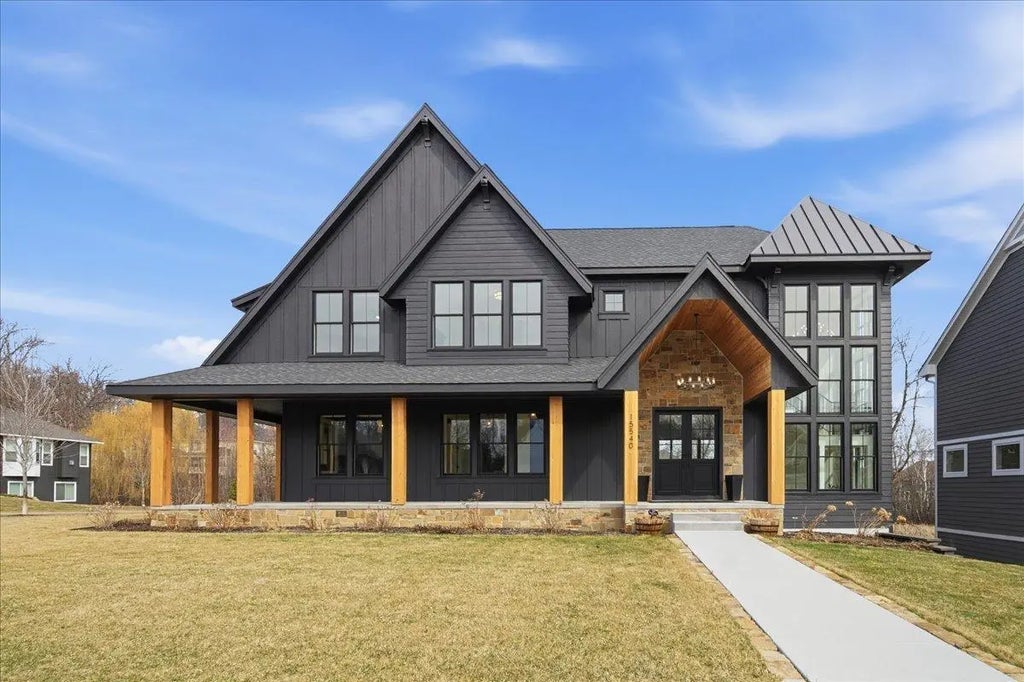
- Newer subdivisions and luxury construction
Because the city developed over multiple decades, buyers should compare homes with similar age, neighborhood, lot characteristics, and construction quality rather than relying heavily on broad price-per-square-foot averages.
Older Plymouth vs. Newer Plymouth
Some of Plymouth's established neighborhoods include homes built during the 1960s, 1970s, and 1980s, while other areas developed much later. That can create very different ownership experiences.
Older neighborhoods may offer mature trees, established lots, and more varied architecture, while newer areas may provide modern floor plans, larger primary suites, attached garages, newer mechanical systems, and neighborhood amenities designed as part of a larger development.
New Construction and Redevelopment
Plymouth continues to include newer housing opportunities, from infill and smaller developments to larger planned communities and luxury construction.
Buyers should evaluate new construction for lot fit, drainage, landscaping, road access, neighborhood density, construction quality, and long-term resale appeal rather than focusing only on finishes.
Hollydale and Newer Luxury Development
One of the more notable examples of recent Plymouth redevelopment is the former Hollydale Golf Course area, where newer residential development has introduced higher-end homes and a different housing option within the city.
Newer luxury communities can behave differently from established Plymouth neighborhoods because buyers are comparing newer construction, lot configuration, amenities, architectural style, and replacement cost alongside traditional comparable sales.
Parks, Trails and Outdoor Access
Plymouth has a substantial park and trail system, with neighborhood parks, regional connections, athletic fields, lakes, and open space throughout the city.
Outdoor access varies by neighborhood, so buyers who prioritize biking, walking, parks, or lake access should evaluate the exact location rather than assuming every part of Plymouth offers the same experience.
School Boundaries in Plymouth
Plymouth spans multiple school districts, including Wayzata, Robbinsdale, and Osseo, depending on the specific address.
School boundaries are one of several factors buyers may consider alongside commute, housing style, lot, parks, and neighborhood amenities. Because assignments can change, buyers should verify current boundaries directly with the appropriate school district.
Older Homes and Renovation Quality
Many established Plymouth homes are several decades old and may have been remodeled to varying degrees.
When evaluating an older property, buyers should look beyond cosmetic updates and review:
- Electrical service and wiring
- Plumbing materials
- Sewer or septic configuration where applicable
- Foundation and drainage
- Roof age and materials
- Windows and insulation
- Heating and cooling systems
- Basement moisture and finish quality
- Additions and previous remodeling
- Permits and renovation quality
Townhomes and Condos in Plymouth
Plymouth has a substantial townhome and condo market, ranging from older associations to newer communities.
Buyers should review HOA dues, reserves, insurance, rental restrictions, special assessments, parking, exterior maintenance responsibilities, and recent capital projects before purchasing.
Plymouth vs. Minnetonka
Plymouth and Minnetonka are often compared because both offer established western-suburban neighborhoods, larger homes, and convenient access to the western metro.
Minnetonka generally has more varied topography, a larger concentration of 1950s and 1960s housing, and stronger geographic ties to Lake Minnetonka. Plymouth generally includes more 1970s-and-later suburban development, a broader range of planned neighborhoods, and substantial newer construction.
Plymouth vs. Wayzata
Buyers may also compare Plymouth with Wayzata, especially when proximity to Lake Minnetonka, western employment centers, and certain school boundaries are priorities.
Wayzata itself is smaller and more closely tied to its downtown and lakefront setting, while Plymouth offers a much larger range of neighborhoods, housing ages, lot sizes, and price points.
Plymouth Real Estate FAQ
What types of homes are common in Plymouth?
Plymouth includes ramblers, split-levels, multi-level homes, traditional two-story properties, custom homes, condos, townhomes, renovated older homes, and newer construction.
When were many Plymouth homes built?
A significant portion of Plymouth developed during the 1970s, 1980s, and later suburban expansion, although some neighborhoods are older and others are much newer.
Does Plymouth have new construction?
Yes. Plymouth includes newer subdivisions, infill development, and higher-end residential construction alongside established neighborhoods.
Which school districts serve Plymouth?
Depending on the address, Plymouth properties may fall within Wayzata, Robbinsdale, or Osseo school districts. Buyers should verify the current assignment directly with the district.
What should buyers look for in an older Plymouth home?
Buyers should review electrical, plumbing, sewer or septic, foundation, drainage, roof, windows, insulation, mechanical systems, basement condition, additions, and renovation quality in addition to cosmetic finishes.
Does Plymouth have townhomes and condos?
Yes. Plymouth has a broad selection of townhome and condo communities in addition to single-family housing.
How competitive is the Plymouth housing market?
Competition varies by neighborhood, price range, condition, school boundary, and time of year. Well-located and thoughtfully updated homes can attract strong interest, while properties needing significant work or priced ahead of the market may require more time.
Buying or Selling in Plymouth
Plymouth is a market where neighborhood, housing age, school boundary, lot characteristics, renovation quality, and exact location can all have a meaningful effect on value.
If you are comparing Plymouth homes, evaluating a property, or preparing a home for sale, Schedule a Consultation to talk through current inventory, pricing, neighborhood differences, and market conditions.