

Mill District Minneapolis Condos & Lofts for Sale
The Mill District is one of downtown Minneapolis' most distinctive residential neighborhoods, combining the city's historic milling roots with newer condominium development, Mississippi River access, parks, cultural destinations and a wide range of condo and loft styles.
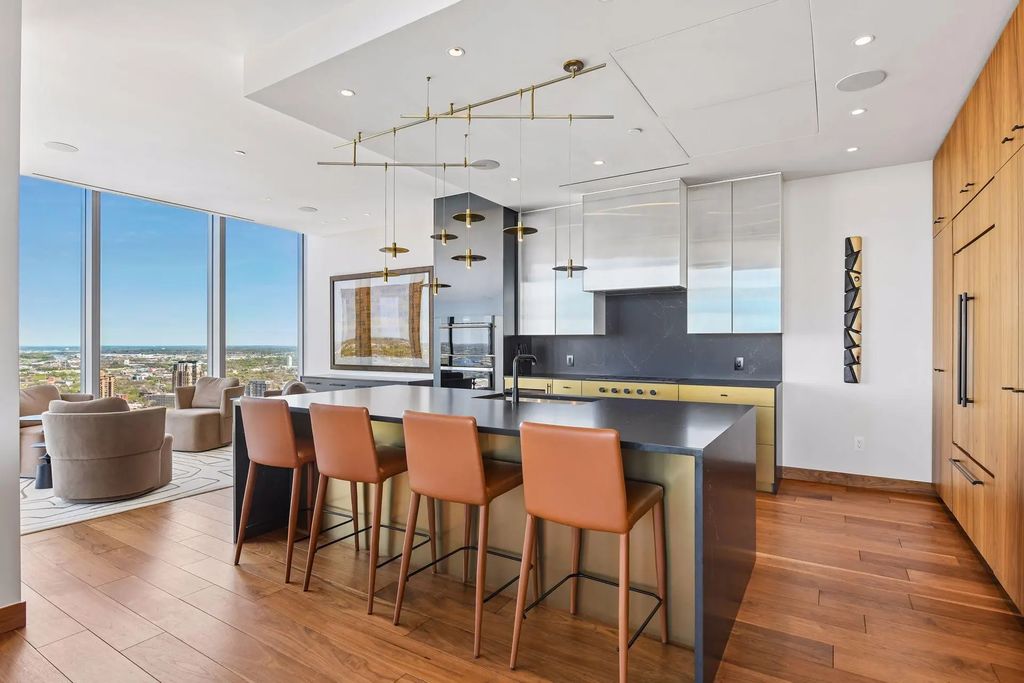
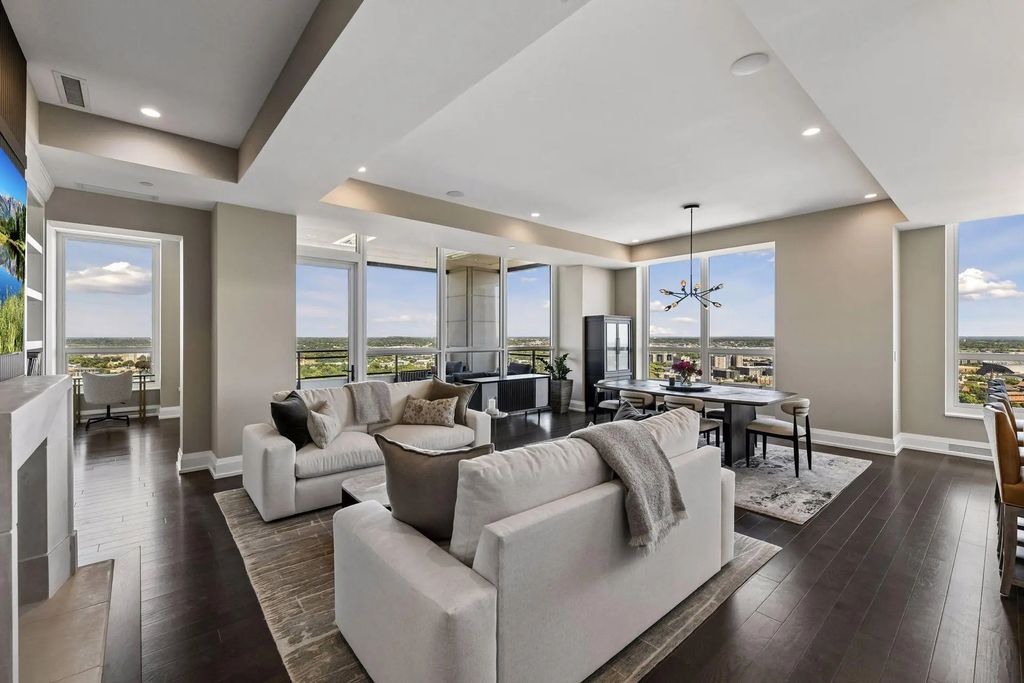
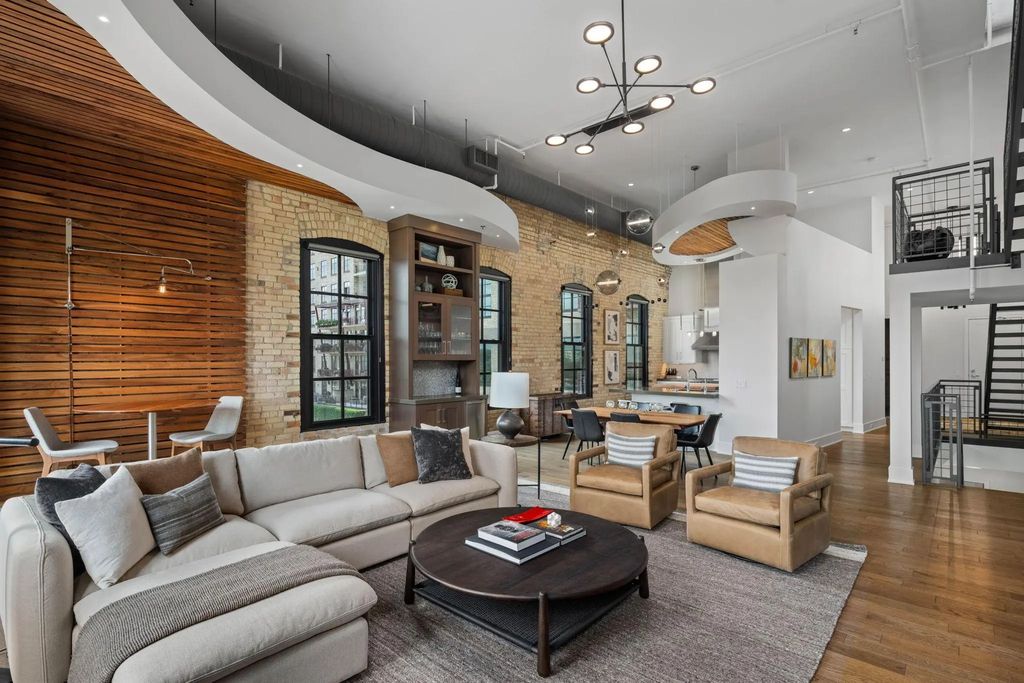
Real estate in the Mill District ranges from historic loft residences with exposed brick, timber and industrial architecture to newer condominium buildings with larger windows, balconies, more traditional floor plans and modern amenities. Buildings such as Stone Arch Lofts, Humboldt Lofts, Bridgewater, Stonebridge and Zenith can offer very different ownership experiences even within a relatively compact neighborhood.
After more than 20 years working with downtown Minneapolis condominiums, I have found that building-level details matter just as much as the individual unit. HOA dues, reserves, parking, storage, balconies, river exposure, floor plan, rental restrictions, assessments, financing considerations and views can all influence both value and long-term ownership.
Use the listings below to explore current Mill District condos and lofts for sale, or visit the Minneapolis Condo Guide to compare condominium and loft buildings throughout downtown Minneapolis.
If you are comparing buildings or considering buying or selling in the Mill District, Schedule a Consultation to talk through current inventory, pricing, association considerations and individual building differences.
Mill District Condos & Lofts for Sale
Downtown East, Minneapolis Homes For Sale
- All Listings
- Under $100,000
- $100,000 - $200,000
- $200,000 - $300,000
- $300,000 - $400,000
- $400,000 - $500,000
- $500,000 - $600,000
- $600,000 - $700,000
- $700,000 - $800,000
- $900,000 - $1,000,000
- Over $1,000,000








A Local Guide to Mill District Minneapolis Real Estate
The Mill District is unusual among downtown Minneapolis neighborhoods because the history of the area remains very visible. Historic mill buildings, riverfront ruins and industrial architecture sit beside newer condominium developments, parks and cultural destinations.
From a real estate standpoint, this is also a neighborhood where the building matters just as much as the condo itself. A historic loft can provide a completely different ownership experience from a newer high-rise or boutique condominium building, and even two units within the same building can vary significantly based on floor level, orientation, balcony, parking, view and renovation quality.
Historic Lofts vs. Newer Mill District Condos
One of the first decisions buyers often make is whether they prefer historic architecture or newer condominium construction.
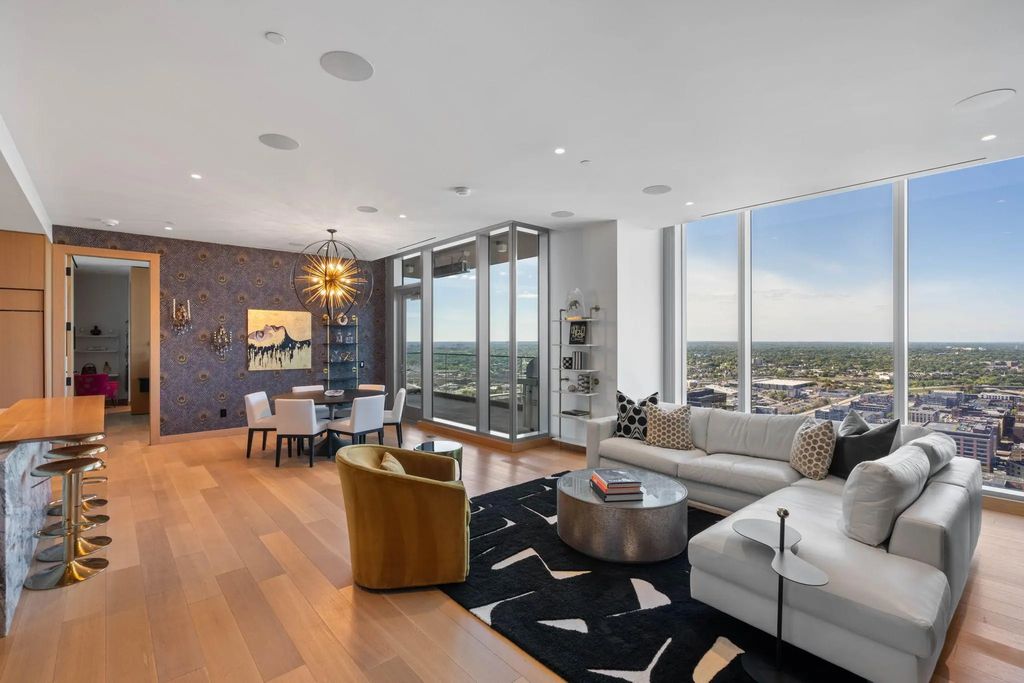
Historic loft buildings may offer exposed brick, timber, concrete, oversized windows, higher ceilings and unconventional floor plans. Newer buildings may provide greater bedroom separation, larger expanses of glass, private balconies, contemporary finishes and a more traditional condominium layout.
Neither approach is inherently better. The right fit depends on whether you prioritize architectural character, outdoor space, views, amenities, privacy, floor plan or a more conventional residential experience.
Mill District Condo Buildings
Stone Arch Lofts
Stone Arch Lofts is a boutique condominium building at 600 S 2nd Street. Although its brick-and-stone exterior fits naturally into the historic Mill District, Stone Arch was built around 2000 rather than converted from an older warehouse.
With approximately 36 residences, relatively large floor plans and private outdoor space in select units, Stone Arch offers a smaller-scale alternative to many of the larger Mill District developments.
Humboldt Lofts
Humboldt Lofts offers historic architecture and a more boutique residential experience near the Mississippi Riverfront. Buyers are often drawn to the building's historic character, location and relationship to nearby park and riverfront space.
As with many historic loft buildings, floor plans, exposures and renovation quality can vary significantly from one residence to another.
Bridgewater
Bridgewater offers a more contemporary interpretation of loft living, with larger windows, balconies in many residences, modern finishes and convenient access to Gold Medal Park and the riverfront.
Because Bridgewater is a larger development, buyers can encounter a broad range of floor plans, orientations and price points within the same building.
Stonebridge
Stonebridge is one of the larger newer condominium developments in the Mill District and offers a broad mix of floor plans, views, balconies and amenities.
Buyers comparing Stonebridge units should pay particularly close attention to floor height, orientation, outdoor space, parking and how the individual condo relates to neighboring buildings and the riverfront.
Zenith
Zenith provides a contemporary condominium environment near Gold Medal Park, the Guthrie Theater and the riverfront.
The building offers a different experience from both historic warehouse lofts and some of the larger luxury high-rises, making it useful to compare Zenith directly with nearby Mill District options rather than relying only on price per square foot.
The Mississippi River Is a Major Part of Mill District Living
One of the defining differences between the Mill District and many other downtown neighborhoods is how closely everyday life is connected to the Mississippi River.
Residents have convenient access to riverfront trails, Mill Ruins Park, the Stone Arch Bridge area, Gold Medal Park and the network of walking and biking paths connecting downtown with Northeast Minneapolis, St. Anthony Main and other parts of the city.
The river can also play an important role in real estate value. Direct or partial river views, floor height, orientation, distance from the river and views toward parks or surrounding buildings can all influence buyer demand.
Culture, Parks and Neighborhood Amenities
The Mill District is one of downtown Minneapolis' strongest cultural areas. The Guthrie Theater, Mill City Museum, Gold Medal Park, Mill Ruins Park and the historic riverfront are all concentrated within a relatively small area.
Restaurants, coffee shops, grocery options, entertainment and downtown employment are also nearby, while parts of the neighborhood can feel more residential than the central business district.
What Mill District Condo Buyers Should Review
The individual unit is only part of a downtown condominium purchase. The association, building condition and long-term financial planning can be equally important.
Before purchasing, I recommend reviewing:
- Monthly HOA dues and what they include
- Association reserves
- Reserve studies when available
- Master insurance coverage
- Recent or proposed assessments
- Association meeting minutes
- Recent capital projects
- Parking and whether it is deeded, assigned or otherwise structured
- Storage
- Rental restrictions
- Owner-occupancy considerations
- Pet policies
- Financing eligibility
- Building management
In older buildings, it is also important to understand which major systems have already been repaired or replaced and what projects may be anticipated in the future.
Views, Balconies and Orientation Matter
In the Mill District, two condos with similar square footage can sell very differently because of views, floor height, outdoor space and orientation.
River views, park views, skyline views, balcony size and natural light can all create meaningful value differences. Neighboring buildings can also affect sightlines, so this is an area where seeing the individual residence in person is especially important.
Mill District vs. North Loop
Buyers often compare the Mill District with the North Loop because both offer downtown living, historic architecture, restaurants and access to the Mississippi River, but the two neighborhoods have distinctly different housing mixes and environments.
The North Loop has a larger concentration of historic warehouse conversions, restaurants, retail and nightlife. The Mill District tends to be more closely centered around the riverfront, parks, cultural destinations and a mix of historic and newer residential buildings.
Some buyers immediately prefer one neighborhood over the other, while others compare individual buildings in both before making a decision.
Mill District Real Estate FAQ
What types of condos are available in the Mill District?
The Mill District includes historic warehouse lofts, newer luxury condominiums, contemporary loft-style buildings, and one-bedroom, two-bedroom and larger residences. Building style and floor plan vary considerably.
Which Mill District buildings have historic loft character?
Humboldt Lofts is one example of historic loft architecture in the Mill District. Other buildings such as Stone Arch Lofts, Bridgewater, Stonebridge and Zenith offer newer or more contemporary condominium designs.
Are river views common in the Mill District?
Some Mill District buildings and individual residences offer direct or partial Mississippi River views, while others overlook parks, the skyline or surrounding buildings. View quality varies by building, floor and orientation.
Are Mill District condos easy to finance?
Many Mill District condominium buildings may qualify for conventional financing, but eligibility can depend on association finances, insurance, owner occupancy, commercial space and other building-specific factors. Buyers should verify financing eligibility early in the process.
Do Mill District condos allow rentals?
Rental policies vary by condominium association. Buyers considering future rental use should review current association documents, minimum lease terms and any rental restrictions before purchasing.
How important are HOA reserves?
Association reserves can be important because major repairs and capital projects can be expensive. Buyers should review reserve information, financial statements, meeting minutes and recent project history when evaluating a condominium association.
Is the Mill District walkable?
The Mill District provides convenient pedestrian access to the Mississippi Riverfront, parks, restaurants, cultural destinations, downtown employment and nearby transit, although exact convenience varies by building location.
Buying or Selling in the Mill District
Mill District real estate is highly building-specific. Understanding the difference between two condos often requires looking beyond price and square footage to association health, views, floor plan, parking, outdoor space, building history and future capital needs.
I have worked with downtown Minneapolis condos and lofts for more than 20 years, and this is one of the neighborhoods where building-level experience can be especially useful.
If you are comparing Mill District buildings, evaluating a condo or preparing a property for sale, Schedule a Consultation to talk through current inventory, building differences, pricing and market conditions.