

Downtown Minneapolis Condos, Lofts & Homes for Sale
Downtown Minneapolis offers one of the most varied urban real estate markets in the Twin Cities, with historic warehouse lofts, high-rise condominiums, newer luxury buildings, townhomes, mixed-use properties, and a wide range of neighborhood environments within a relatively compact area.
Downtown Minneapolis Real Estate: View our comprehensive condo guide here
After more than 20 years working with downtown Minneapolis buyers and sellers, one of the biggest things I have learned is that location and building matter just as much as the individual unit. A condo in the North Loop can offer a very different experience from one in the Mill District, and even two units in the same building can vary significantly based on views, parking, outdoor space, floor plan, HOA structure, and financing.
Use the listings below to explore current Downtown Minneapolis homes for sale, or visit our Minneapolis Condo Guide to compare individual condo and loft buildings throughout the city.
If you are considering buying or selling downtown, Schedule a Consultation to talk through neighborhoods, buildings, current inventory, pricing, and market conditions.
Central Downtown
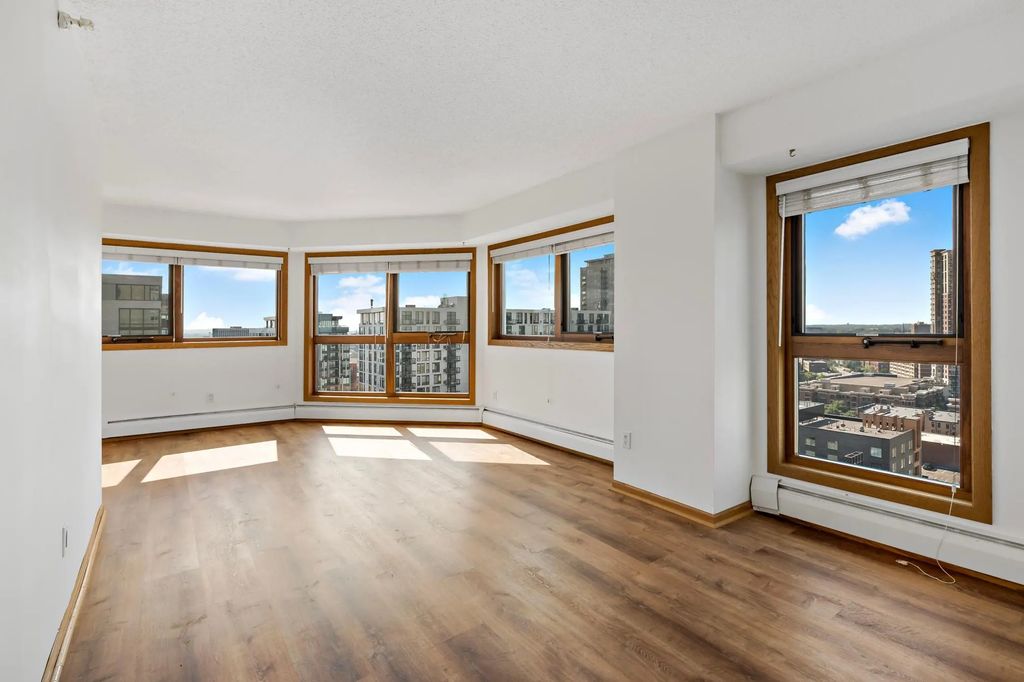


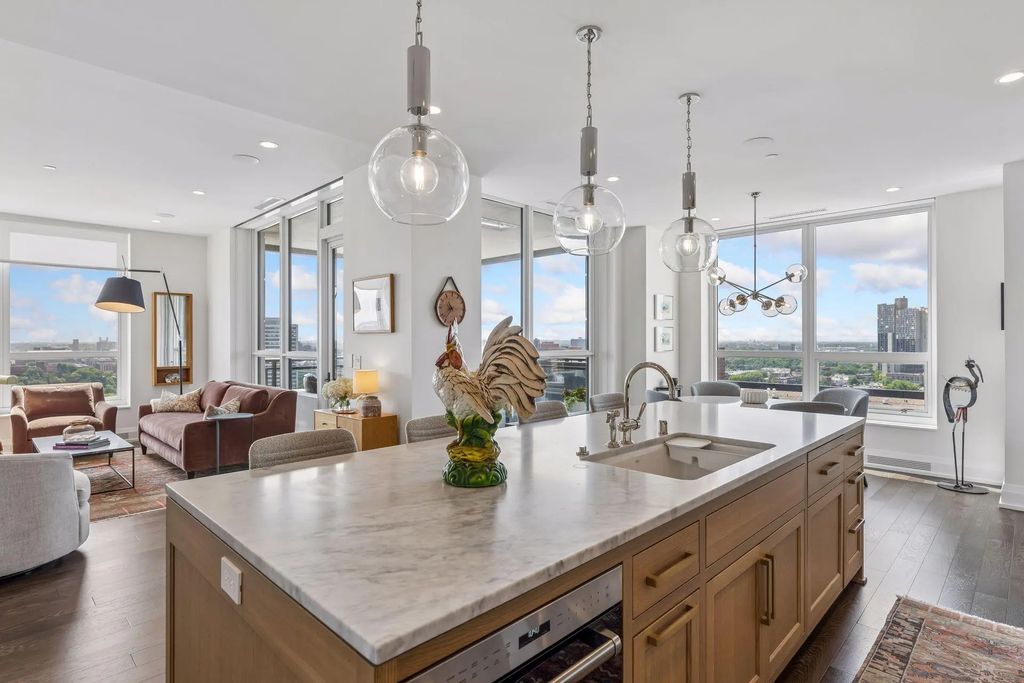

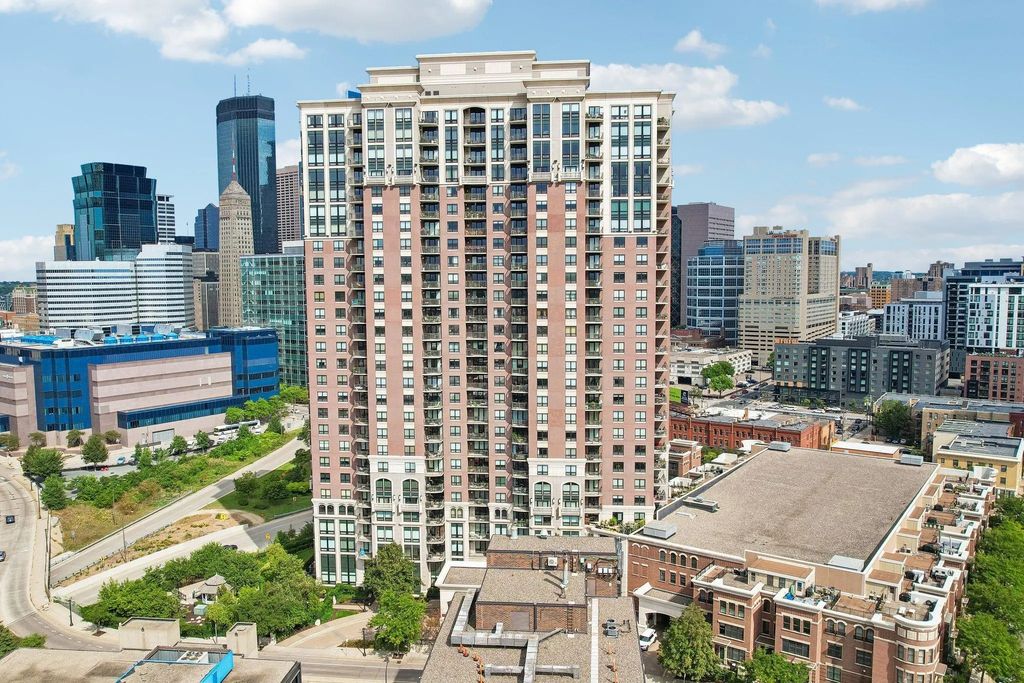

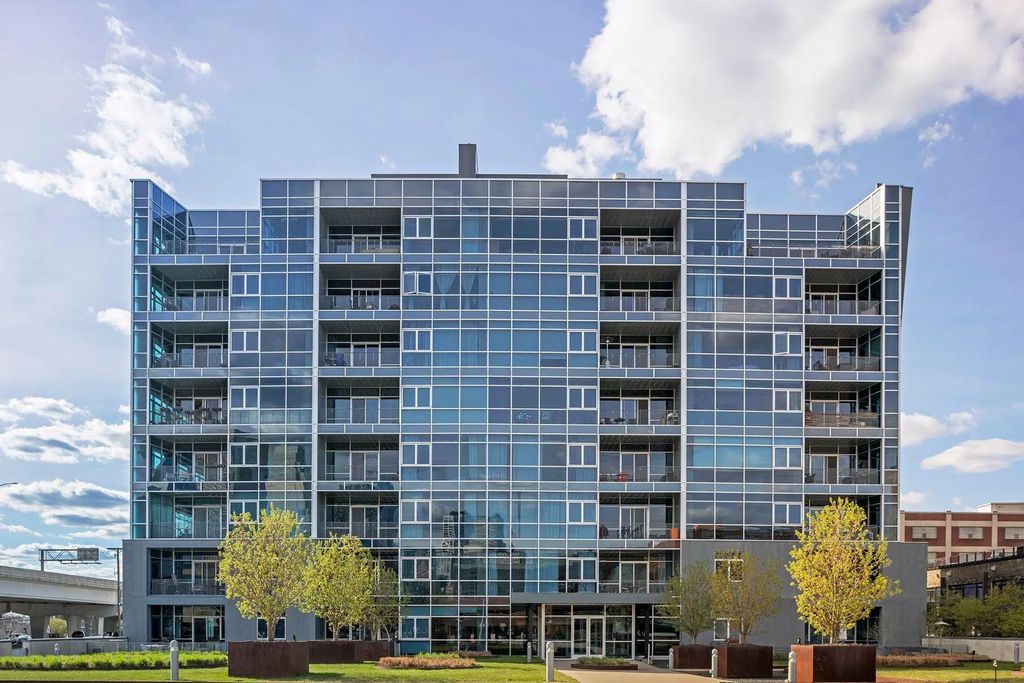


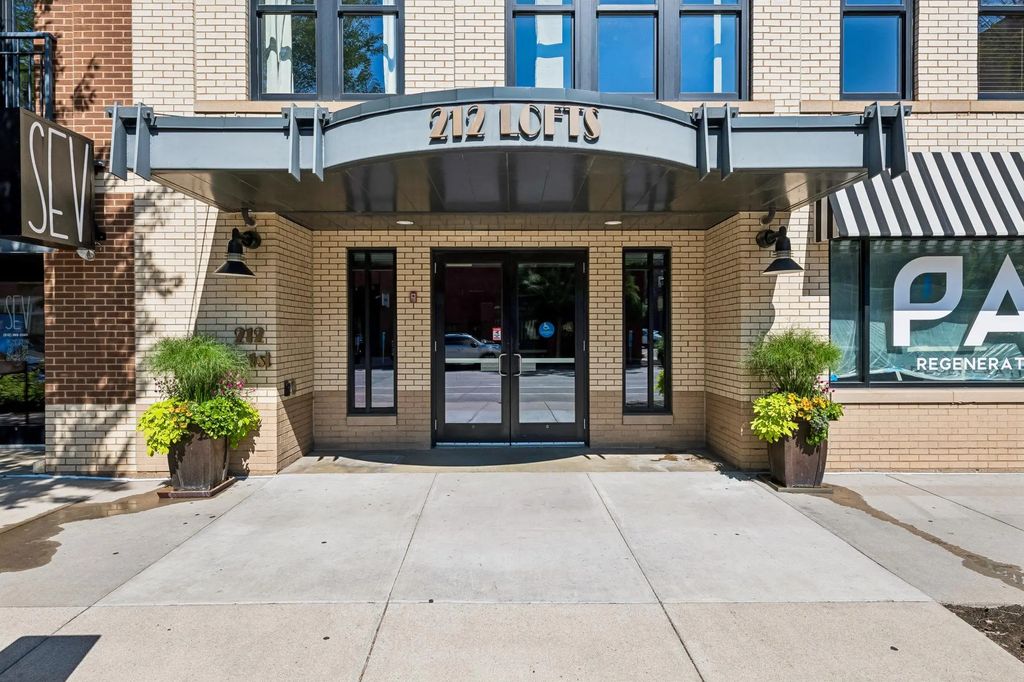


Ready to find your dream home in Downtown Minneapolis? Contact us and we’ll connect you with the best Minneapolis Real Estate.
A Local Guide to Downtown Minneapolis Real Estate
Downtown Minneapolis is not one single condo market. The North Loop, Mill District, Downtown East, Downtown West, Central Business District, and nearby riverfront areas all offer different housing styles, street environments, amenities, and ownership considerations.
After more than 20 years working with downtown Minneapolis buyers and sellers, I have found that the best comparisons usually start with the neighborhood and building before focusing on the individual unit. HOA structure, parking, views, outdoor space, financing, rental restrictions, reserves, and building history can all influence both value and long-term ownership.
North Loop
The North Loop is known for historic warehouse conversions, lofts, newer condominiums, townhomes, restaurants, retail, and access to the Mississippi River. Buyers here may be comparing authentic brick-and-timber lofts with newer buildings that offer more traditional layouts, balconies, and modern amenities.
Building-level differences are especially important in the North Loop because historic conversions, mixed-use buildings, and newer developments can have very different financing, HOA, parking, and rental structures.
Mill District
The Mill District combines historic architecture, newer condominium development, parks, cultural destinations, and direct access to the Mississippi River.
Buildings in this area range from historic lofts to larger contemporary condo developments. River views, park views, balcony size, floor height, natural light, and building orientation can all create meaningful value differences.
Downtown East
Downtown East includes a mix of newer residential development, condos, apartments, entertainment venues, transit, and access to the Mill District and riverfront. The area has changed substantially over time and offers a different housing environment from the warehouse-heavy North Loop or the traditional high-rise core.
Buyers here should compare not only the unit itself, but also building amenities, parking, surrounding development, views, and access to parks, transit, and nearby commercial areas.
Downtown West and the Central Business District
Downtown West and the Central Business District include a broader mix of high-rise condominiums, converted buildings, mixed-use properties, and residential towers close to theaters, offices, restaurants, entertainment, and transit.
For buyers considering this part of downtown, floor height, skyline views, skyway access where available, parking, building amenities, and HOA structure may be especially important.
St. Anthony Main and Nearby Riverfront Areas
Some buyers also compare downtown Minneapolis condos with properties across the Mississippi River near St. Anthony Main and Northeast Minneapolis. These areas offer another way to stay close to downtown while maintaining strong access to riverfront trails, restaurants, and historic neighborhoods.
The feel can be noticeably different from the core downtown neighborhoods, so buyers often compare individual buildings and lifestyle preferences rather than choosing based on city boundaries alone.
Historic Lofts vs. High-Rise Condos
One of the biggest choices downtown buyers make is between historic loft architecture and a more traditional high-rise condominium.
Historic lofts may offer exposed brick, timber beams, concrete floors, oversized windows, high ceilings, and open layouts. High-rise condos may offer more conventional bedroom separation, larger amenity packages, elevators, concierge services, balconies, and skyline views.
Neither is automatically better. The right fit depends on whether you prioritize architectural character, privacy, amenities, outdoor space, views, storage, or a more traditional floor plan.
HOA Reserves and Special Assessments
Association finances are one of the most important parts of evaluating a downtown condo.
Buyers should review:
- Current HOA dues and what they include
- Reserve levels
- Reserve studies
- Recent and upcoming capital projects
- Special assessments
- Association meeting minutes
- Building insurance
- Litigation where applicable
A lower monthly HOA fee is not automatically better. Buyers should understand whether the association is adequately funding long-term maintenance and whether major projects may be coming.
Parking and Storage
Parking can be a major value factor in Downtown Minneapolis.
Buyers should confirm whether parking is indoor or outdoor, heated or unheated, deeded or assigned, included with the unit, or owned separately. Additional parking may be difficult to obtain in some buildings.
Storage can be equally important, particularly for buyers moving from a larger single-family home or townhome.
Views, Balconies and Natural Light
Floor level and orientation can create significant differences between condos in the same building.
Skyline views, river views, park views, balconies, window placement, neighboring buildings, and exposure can all influence how a property feels and how buyers respond to it.
In many downtown buildings, a strong view or private outdoor space can command a meaningful premium.
Rental Restrictions
Rental policies vary by building. Some associations allow rentals with minimum lease terms or rental caps, while others have more restrictive rules.
Even buyers planning to occupy the property should understand the rental policy because it can affect future flexibility, investor demand, financing, and resale.
Downtown Condo Financing
Most Downtown Minneapolis condos can be financed conventionally, but loan options can vary by building.
Mixed-use properties, high commercial ownership, investor concentration, insurance issues, litigation, or unusual ownership structures can affect financing. Some buildings may require portfolio loans even when the individual unit itself appears conventional.
Buyers should confirm building eligibility with their lender early in the process.
Downtown Minneapolis Real Estate FAQ
What are the main Downtown Minneapolis condo neighborhoods?
Downtown buyers commonly compare the North Loop, Mill District, Downtown East, Downtown West, the Central Business District, and nearby riverfront areas.
What is the difference between the North Loop and the Mill District?
The North Loop has a larger concentration of warehouse lofts, restaurants, retail, and nightlife, while the Mill District is more closely tied to the Mississippi River, parks, cultural attractions, and a mix of historic and newer residential buildings.
Are Downtown Minneapolis condos difficult to finance?
Most are not, but financing is building-specific. Mixed-use ownership, insurance, investor concentration, litigation, and association structure can all affect loan eligibility.
Do Downtown Minneapolis condos allow rentals?
Rental rules vary by association. Buyers should review minimum lease terms, rental caps, waiting periods, and other restrictions before purchasing.
How important are HOA reserves?
Reserves help fund major future projects such as roofs, windows, elevators, mechanical systems, exterior work, and parking structures. Strong reserve planning can reduce the risk of large unexpected assessments.
Does parking add value to a downtown condo?
Yes. Indoor parking, heated parking, deeded spaces, and additional parking availability can all influence buyer demand and resale value.
What type of downtown condo is easiest to resell?
There is no single answer. Resale depends on building quality, association health, price, layout, parking, views, outdoor space, condition, and how the property compares with similar units in the same building and neighborhood.
Explore Downtown Minneapolis Condos and Lofts
If you want to compare individual buildings in more detail, visit the Minneapolis Condo Guide. You can also explore the North Loop and Mill District guides for more neighborhood-specific information.
Buying or Selling in Downtown Minneapolis
Downtown Minneapolis real estate is highly building-specific. Understanding the difference between two condos often requires looking beyond square footage and finishes to association health, financing, parking, storage, views, rental rules, floor plan, and long-term capital needs.
If you are comparing buildings, evaluating a condo or loft, or preparing a downtown property for sale, Schedule a Consultation to talk through current inventory, building details, pricing, and market conditions.
TC College, University of St. Thomas, and Metropolitan State University.
Browse Central Minneapolis Communities
Interested in a Central Minneapolis home? Contact us and we’ll connect you with the best Minneapolis real estate.