
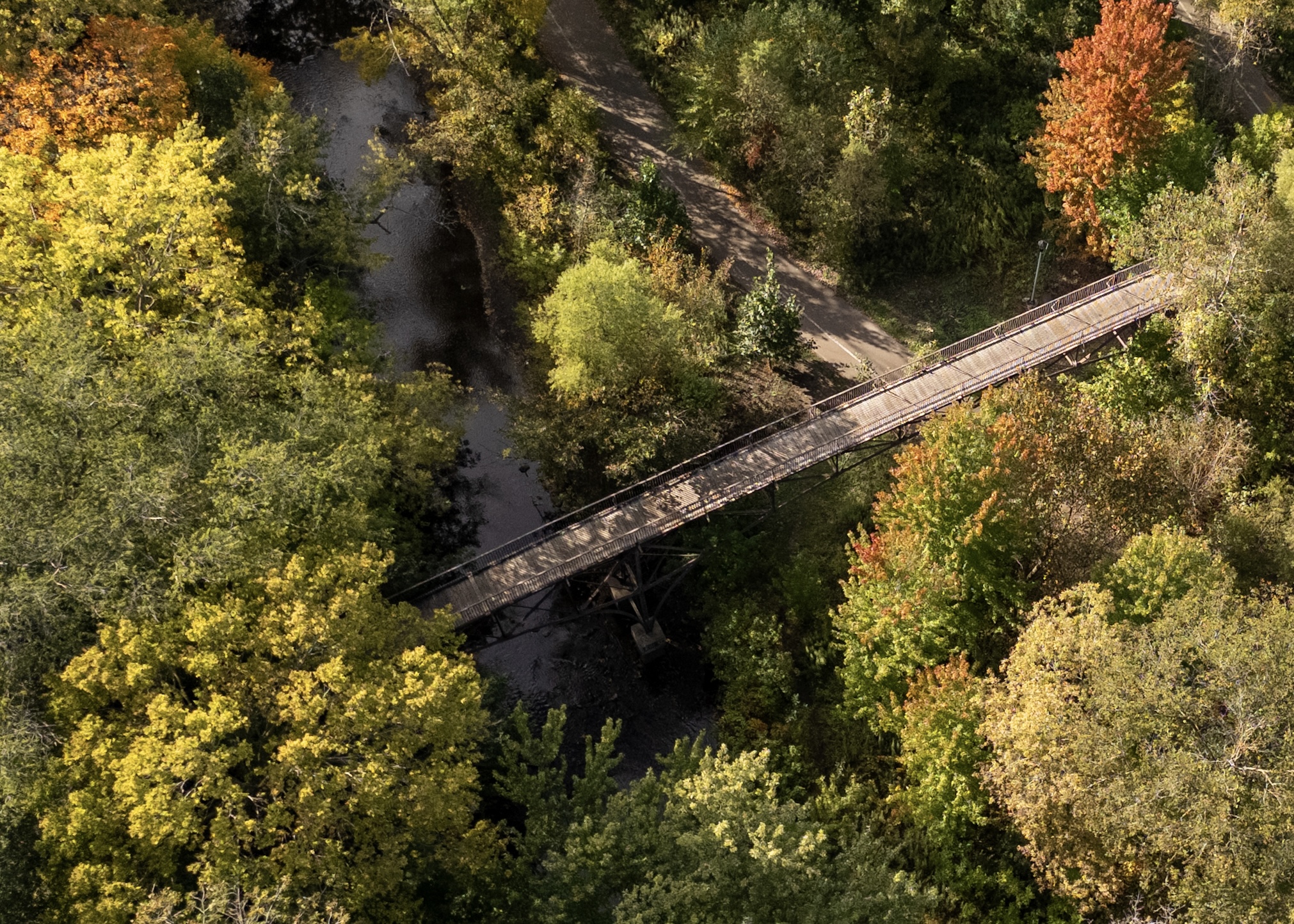
Outdoor Recreation in South & Southwest Minneapolis: Lakes, Minnehaha Creek, Trails & More
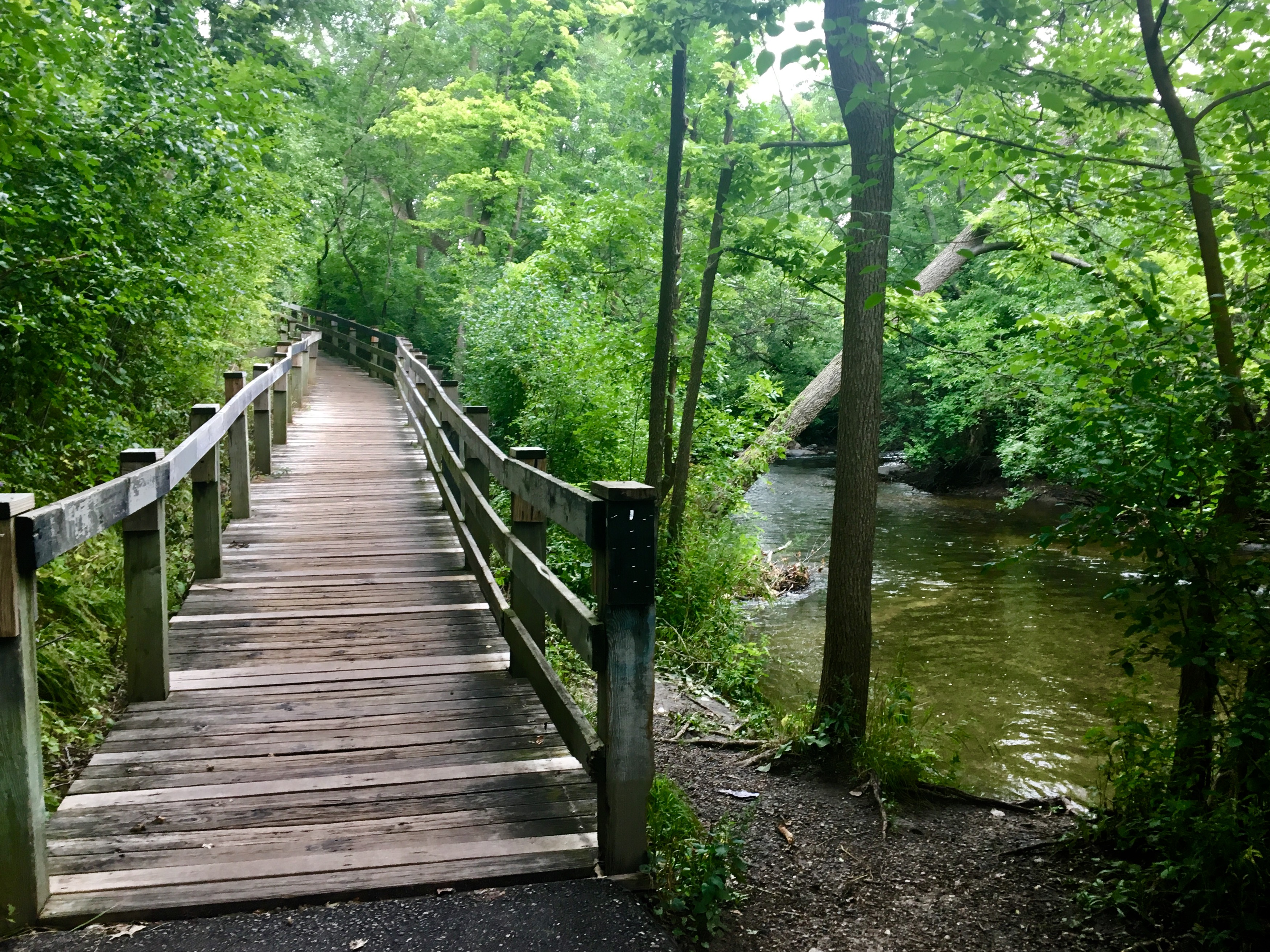
One of my favorite things about living in South and Southwest Minneapolis is how easy it is to get outside without really leaving the city.
You can kayak Minnehaha Creek, fish from the shore of Lake Harriet, bike around the Chain of Lakes, swim across Lake Nokomis, take a sailboat onto Bde Maka Ska, wander onto a dirt trail along the creek or ride all the way into the mountain bike trails at Theodore Wirth Park.
My family actually does a lot of these things. And after living and working in this part of Minneapolis for years, I think the park, lake and trail system is one of the things that's hardest to appreciate until you've lived near it.
If you're considering a move here, you can also explore Southwest Minneapolis homes for sale or my guide to South Minneapolis real estate and neighborhoods.
Minnehaha Creek Connects Much More Than Minneapolis
Minnehaha Creek is much bigger than the section most Minneapolis residents see along Minnehaha Parkway.
The creek begins at the outlet of Lake Minnetonka at Gray's Bay Dam and travels roughly 23 miles before reaching the Mississippi River. Minnehaha Falls is near the end of that journey, but contrary to what people sometimes assume, the creek doesn't technically end at the falls. The water continues through the gorge below the falls before reaching the Mississippi.
Within South and Southwest Minneapolis, the creek winds through residential neighborhoods, parkland and green space and eventually reaches the Lake Nokomis area before continuing toward Minnehaha Falls.
It's one reason neighborhoods such as Tangletown, Lynnhurst and areas along Minnehaha Parkway can feel surprisingly removed from the surrounding city.
Kayaking Minnehaha Creek Through Minneapolis
One of the more unusual ways I've experienced Minneapolis is from a kayak on Minnehaha Creek.
One year I put in around Xerxes Avenue and paddled east toward the Lake Nokomis area. I personally prefer a kayak to a canoe on the creek. There were a handful of downed trees to maneuver around when I did it, but that was part of what made the trip memorable.
There are stretches where you're paddling through the middle of Minneapolis and yet, from down on the water, the city can almost disappear.
Creek conditions matter tremendously. Minnehaha Creek can run high and fast after wet weather and become very shallow during dry periods. Anyone considering a paddle should check current creek flow, weather and route conditions before going. The Minnehaha Creek Watershed District publishes current conditions and recommends paddling only under appropriate flows.
I've also floated sections of the creek in a tube before, which was a lot of fun, but I wouldn't treat the creek like a controlled lazy river. Downed trees, rocks, bridges, changing currents and water conditions can make each trip very different.
Fishing the Minneapolis Lakes — and the Creek
Fishing is another part of living around the lakes that I think gets overlooked.
My kids fish Minnehaha Creek and the Minneapolis lakes quite a bit. Their success rate isn't always spectacular, but I think half the fun for them is grabbing fishing rods, heading out on bikes and seeing what they can find.
It's funny to me how many kids growing up in this part of the city become fishermen simply because there is so much accessible water around them.
And these aren't just little urban ponds.
Lake Harriet has documented populations of muskie, northern pike, largemouth bass, walleye, bluegill, crappie, perch and carp, among other species. Bde Maka Ska also has tiger muskie, northern pike, bass, walleye and panfish.
So the stories about giant muskies swimming around the Minneapolis lakes aren't just stories. They really are in there.
The Paved Trails — and the "Secret Trails"
The paved trail system is probably the outdoor amenity my family uses most.
You can bike, run or walk alongside Minnehaha Creek and then connect into a much larger network around Lake Harriet, Bde Maka Ska, Lake of the Isles and Cedar Lake.
But there is another layer to it that doesn't necessarily show up when you're looking at a map.
My kids call them the "secret trails."
They're the little dirt paths that disappear off the main paved trails and into the trees. Sometimes they wind around for a while before putting you back onto the parkway. Occasionally you'll find a small mountain-bike jump someone has built.
They're not really secret, of course. But when you're a kid exploring them on a bike, they certainly feel that way.
You Can Build Some Incredible Bike Rides Without Leaving Minneapolis
One of the best parts of the trail system is how interconnected everything becomes.
You can start in Southwest Minneapolis, ride the lakes and Minnehaha Parkway, connect toward the Mississippi River and follow the river trails north toward downtown.
Another direction takes you from the Chain of Lakes toward Cedar Lake and into trails that connect toward downtown near Target Field.
That makes it possible to put together 20-plus-mile loops that include lakes, creek, river, downtown and residential neighborhoods without spending much time riding in normal street traffic.
For me, that's one of the defining recreational features of Minneapolis. You're not driving somewhere to go for a bike ride. The ride can start at your front door.
Theodore Wirth Park Takes It Another Step
Theodore Wirth Park isn't technically part of South or Southwest Minneapolis, but it belongs in this conversation because of how easily it connects to the lakes and trail network.
We've ridden our bikes from Southwest Minneapolis into Theodore Wirth, spent the afternoon mountain biking and then ridden home.
Once you're in the wooded trail system there, it's easy to forget you're in a major city.
The Loppet Foundation operates a huge range of outdoor programming in the area, and Wirth includes mountain biking, trail running, hiking, cross-country skiing and fat biking depending on the season.
For someone who likes outdoor sports, having that kind of trail system accessible from city neighborhoods is pretty remarkable.
Swimming, Beaches and Open Water
The lakes aren't scenery that residents simply look at. They're used.
Lake Harriet has beaches on both sides of the lake. Bde Maka Ska has several beaches. Cedar Lake has multiple public beach areas, including the spot generations of Minneapolis residents have referred to as Hidden Beach. Lake Nokomis is another major swimming destination on the South Minneapolis side of town.
You'll also see serious swimmers using the lakes. Organized open-water swimming opportunities have been offered at Lake Nokomis, and the broader lake system is heavily used by people training for endurance events and triathlons.
On a summer day, it's not unusual to pass runners, cyclists, swimmers, paddleboarders and people carrying kayaks within a few minutes of each other.
Rent a Kayak, Canoe or Paddleboard
You don't necessarily need to own equipment to take advantage of the water.
Seasonal watercraft rentals are available at Bde Maka Ska, Lake Harriet and Lake Nokomis, including kayaks and canoes. There are also designated canoe and kayak access points throughout the lake system and along Minnehaha Creek.
If someone is new to the area, renting a kayak and spending an afternoon on one of the lakes is one of the easiest ways to understand why people place such a premium on living near them.
Sailing in the Middle of the City
Another thing you notice after spending enough time around the lakes is just how much sailing happens here.
On summer evenings you'll see sailboats and organized racing on the water. Lake Harriet and Bde Maka Ska both have long-established sailing activity, lessons and clubs.
It's another one of those scenes that doesn't quite feel like what people imagine when they picture living in the middle of a northern city.
Lake Harriet: Bike Ride, Beach, Music and Food
Lake Harriet is probably one of the easiest places to turn a normal summer evening into something more.
You can bike or walk around the lake, stop at the beach, rent a watercraft and then end up at the Bandshell. Bread & Pickle operates at the pavilion, and the Bandshell hosts concerts and other events during the warmer months.
The neighborhoods surrounding the lake—including Linden Hills, East Harriet, Fulton and Lynnhurst—are some of the places where the connection between neighborhood life and the park system is especially noticeable.
Bde Maka Ska, Lake of the Isles and Cedar Lake Each Feel Different
One of the things I like about the Chain of Lakes is that the lakes don't all feel interchangeable.
Bde Maka Ska is active. There are beaches, boats, runners, cyclists, sailing and plenty happening around the shoreline.
Cedar Lake and the Cedar-Isles-Dean area can feel quieter and more tucked away, particularly around the wooded portions of the shoreline.
Lake of the Isles has another feel entirely, with winding shoreline, established homes and connections between the surrounding lakes.
You can experience all three on one bike ride, yet each has its own personality.
Don't Forget Lake Nokomis
The Chain of Lakes gets a lot of attention when people talk about Minneapolis, but Lake Nokomis deserves to be part of the conversation.
It has swimming, paddling, fishing, trails, beaches and plenty of activity around the lake. Every time I bike through the area, the pickleball courts seem to be packed.
For buyers considering Nokomis, Keewaydin, Ericsson or Minnehaha, this is the South Minneapolis counterpart to much of the lake-oriented lifestyle people associate with Southwest Minneapolis.
Minnehaha Falls and the Mississippi River
Follow Minnehaha Creek far enough east and eventually you reach one of Minneapolis' signature natural landmarks: Minnehaha Falls.
But the recreation system doesn't stop there.
The creek continues toward the Mississippi River, where trails along the river connect with the broader Minneapolis parkway system. Walking, running or biking along the river gives you another completely different landscape—bluffs, trees, river views and connections north toward downtown.
It's possible to combine the lakes, Minnehaha Creek and Mississippi River into one long ride, which is one of my favorite ways to see how interconnected Minneapolis really is.
And Then Winter Changes Everything
One reason I wouldn't describe this simply as a summer lifestyle is that winter doesn't end outdoor recreation here. It changes it.
Cross-country skiers show up on the trails and, when conditions allow, around portions of the lake system. Fat bikes head into Theodore Wirth. Runners keep running. People walk the lakes all winter.
The Loppet Foundation has helped build an outdoor culture around cross-country skiing, mountain biking, fat biking, trail running and other activities that extends through every season.
That's an important distinction if you're considering moving to Minneapolis. Winter is real, but for a lot of residents it isn't a season when outdoor life stops.
What This Has to Do With Real Estate
When I'm helping someone evaluate a house in South or Southwest Minneapolis, I don't think you can completely separate the property from where it sits within this system.
A house a block from Minnehaha Parkway may offer a very different day-to-day experience from an otherwise similar house farther away. The same can be true for a home within a short walk of Lake Harriet, Bde Maka Ska, Cedar Lake or Lake Nokomis.
That's part of why there are so many little micro-markets within Minneapolis. Buyers aren't simply purchasing bedrooms, bathrooms and square footage. In some locations they're also paying for the ability to walk out the front door and be on a lake, creek or trail within a few minutes.
I discussed that relationship between location and value in more detail in What Can $500K, $750K & $1 Million Buy in Southwest Minneapolis?.
Why I Like Living in This Part of Minneapolis
For me, the appeal isn't any one lake, trail or activity. It's having so many options connected together.
My kids can grab fishing rods and ride their bikes to the water. We can head down a dirt trail along the creek, kayak through the city, ride from Southwest Minneapolis to the mountain bike trails at Theodore Wirth or just bike around the lakes and stop for something to eat.
You don't have to plan an outdoor weekend. Sometimes you just walk out the door.
If you're looking for an active lifestyle while still wanting restaurants, neighborhoods, architecture and everything else that comes with living in the city, South and Southwest Minneapolis offer a combination that's hard to replicate.
For more on the neighborhoods themselves, explore my Southwest Minneapolis real estate guide, South Minneapolis guide, or contact me if you're considering a move within Minneapolis.
Enjoy this blog post? Click here to subscribe for updates
Leave A Comment