
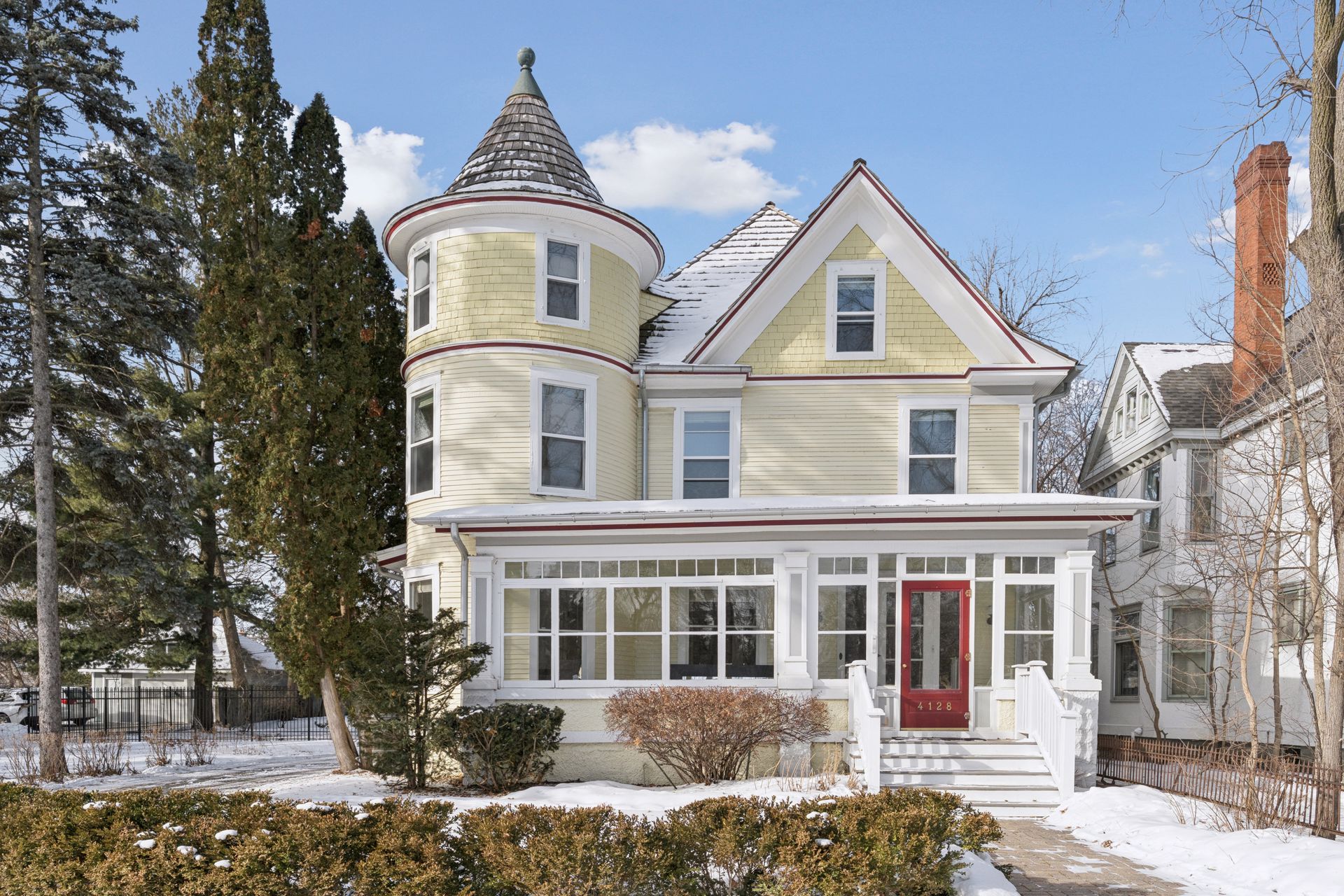
What Can $500K, $750K & $1 Million Buy in Southwest Minneapolis?
One of the hardest things to explain about buying a home in Southwest Minneapolis is that price doesn't move in a perfectly straight line.
Spend another $200,000 and you don't necessarily just get a bigger version of the same house. You may get closer to the lakes. You may move from a story-and-a-half to a two-story. You may pick up a second bathroom, a two-car garage or a primary suite. Or you may actually buy a smaller house because it's sitting on a beautiful block a short walk from Lake Harriet or Minnehaha Creek.
After more than 20 years of selling homes in Minneapolis, one thing I've learned is that Southwest Minneapolis is really a collection of small micro-markets. The neighborhood matters, but so does the block, the street, the lot, the architecture, the renovation quality and sometimes even which side of the street you're on.
That's why I don't think it's particularly useful to tell someone that "$750,000 buys X in Southwest Minneapolis." There's more to it than that.
Instead, let's look at what buyers have actually been getting at different price points in 2026—and what I look at when I'm helping someone decide whether a particular house is actually worth the money.
Market statistics referenced below are based on 2026 MLS sales data I reviewed for this article. Individual homes vary substantially, and market conditions and available inventory change over time.
Want to see what's available right now? Search current Southwest Minneapolis homes for sale and adjust the price, bedrooms, bathrooms and other criteria to match your search.
What Does Under $500,000 Buy in Southwest Minneapolis?
There have been roughly 215 Southwest Minneapolis sales and market results under $500,000 in the 2026 data I've been tracking.
Geographically, much of that activity has been east of Lyndale Avenue and south of 54th Street, although there are exceptions throughout Southwest Minneapolis, including occasional opportunities in places like Linden Hills.
The housing stock tells an interesting story. Of those roughly 215 results, about 101 were story-and-a-half homes and another 65 were one-story homes. Roughly half of the inventory dates to the post-World War II building boom, particularly the 1950s, while much of the remaining inventory is older, including plenty of homes from the 1920s.
A fairly representative house in this range is around 1,500 finished square feet with three bedrooms, two bathrooms and a one-car garage.
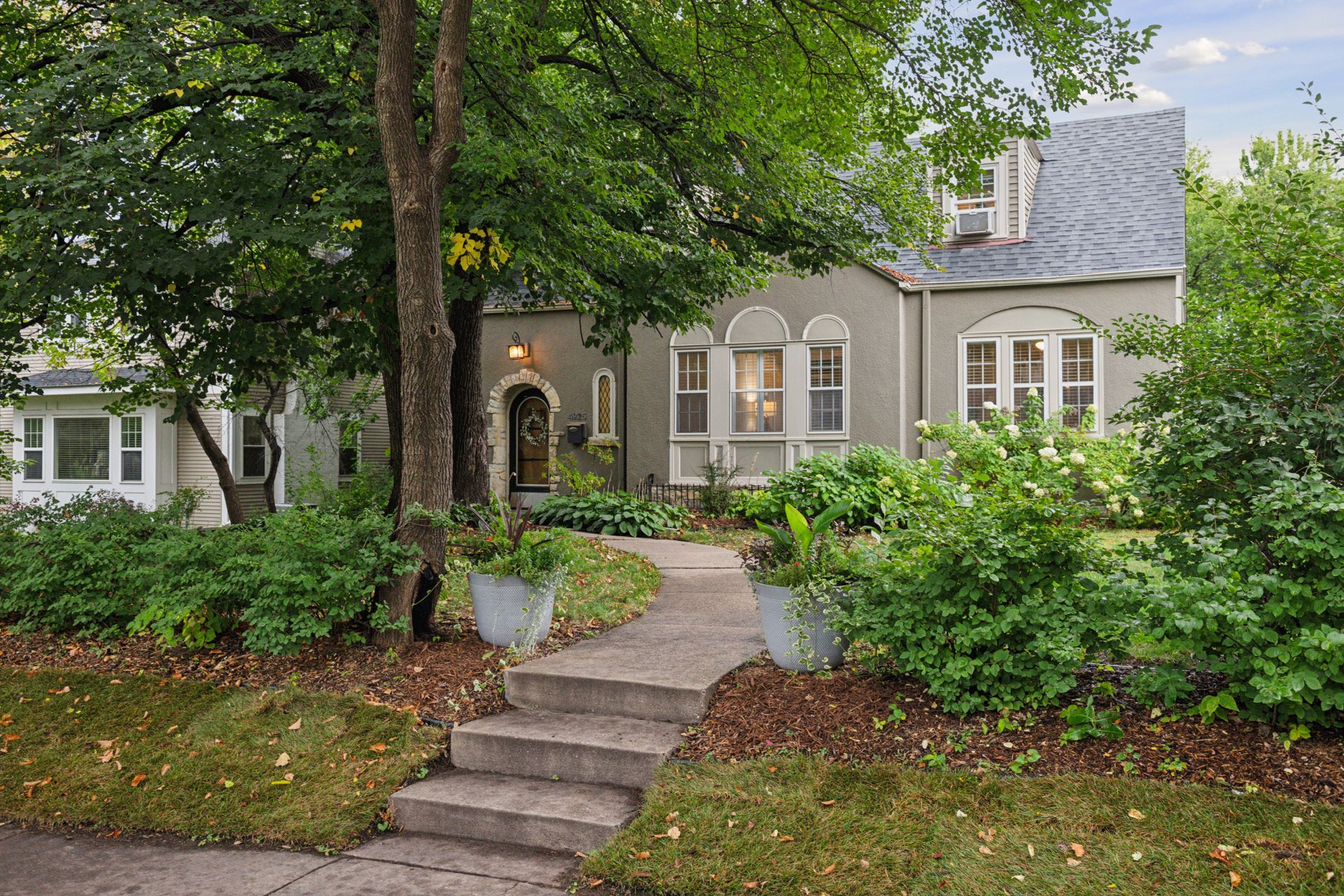
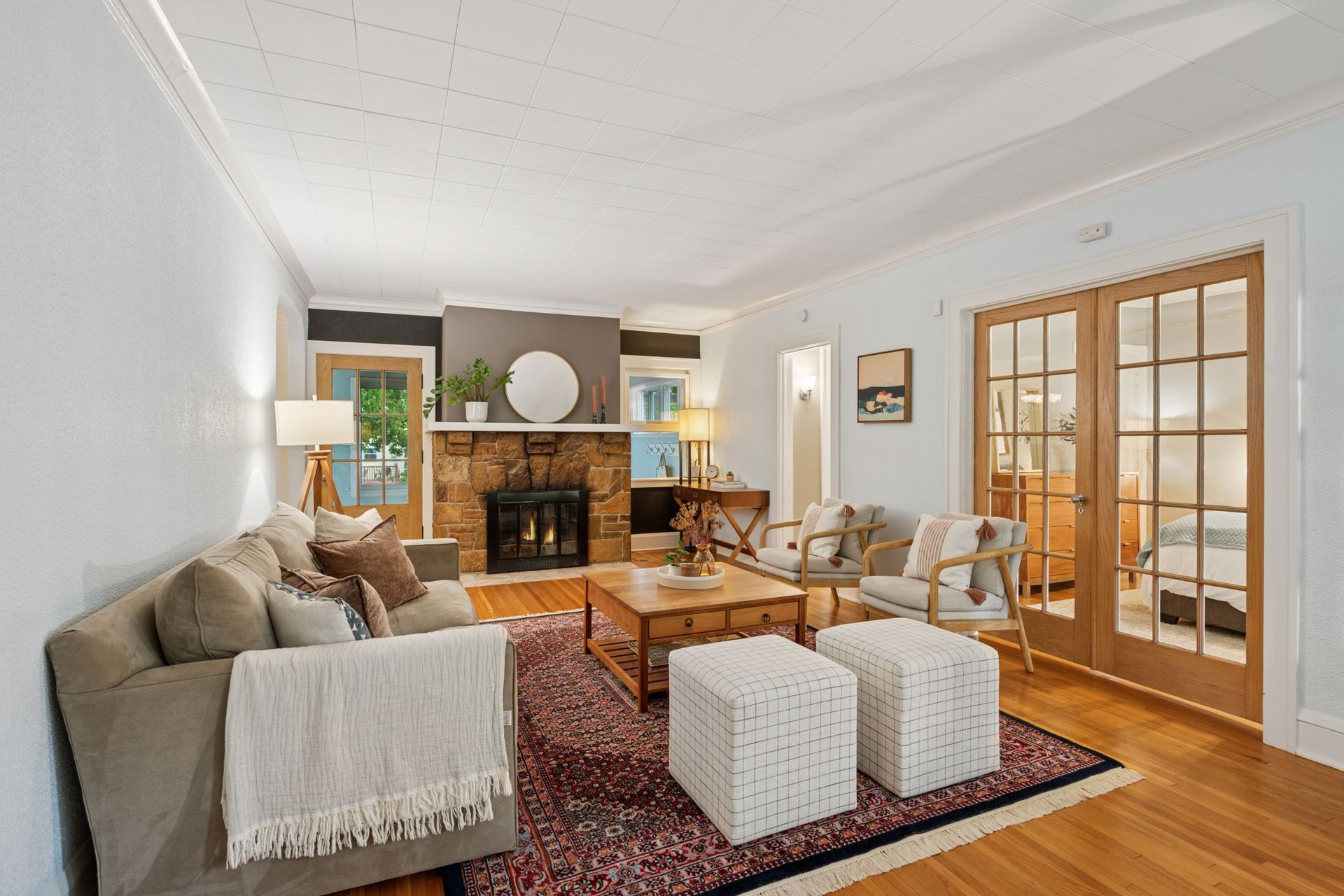
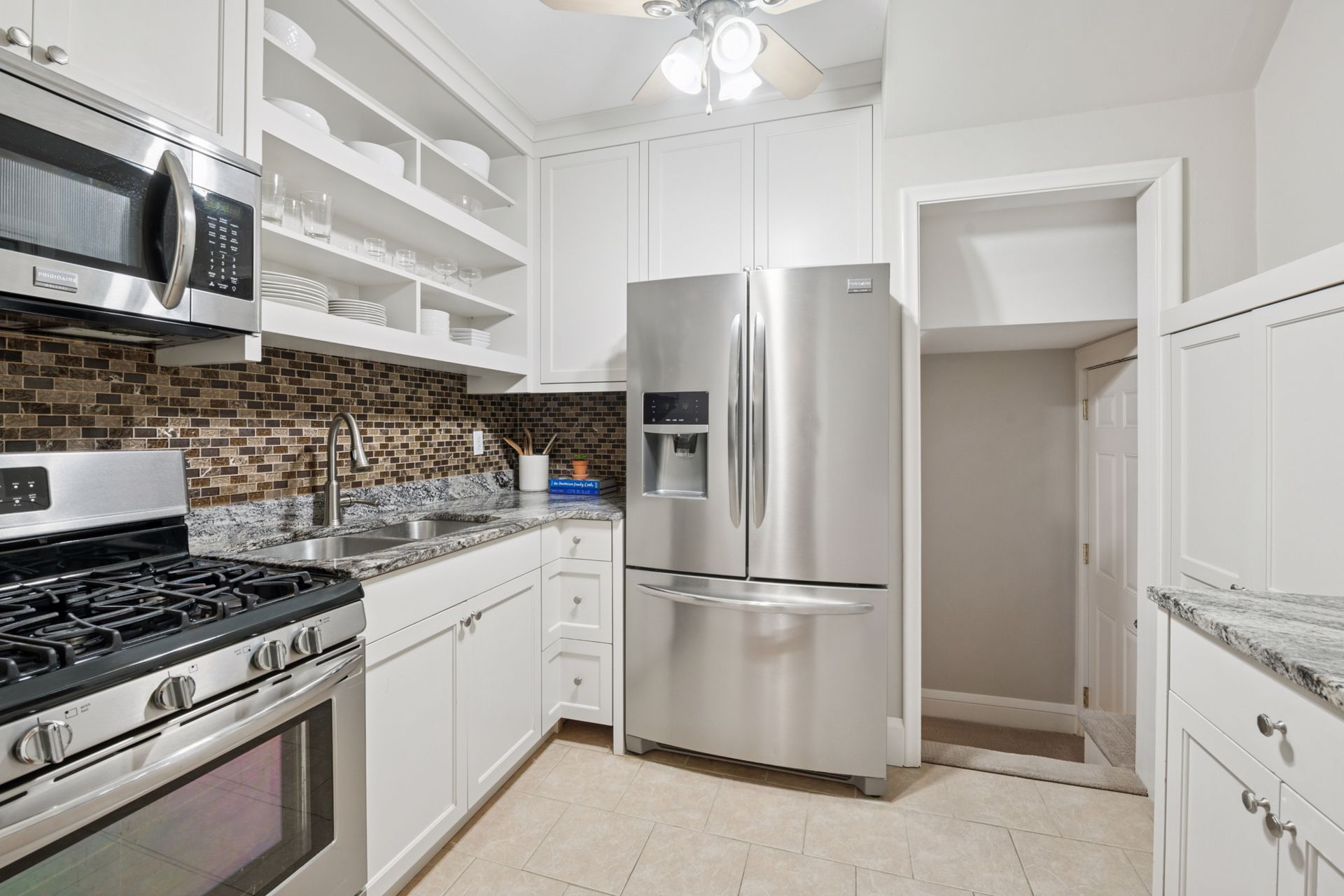
Examples from homes I've worked with around this price range in Southwest Minneapolis.
Expect Some Quirks
A classic Southwest Minneapolis story-and-a-half might have two bedrooms on the main level with a bathroom between them and another bedroom upstairs. Sometimes that upper level works beautifully. Other times the roofline creates lower ceilings or obstructions that a taller buyer notices immediately.
There may or may not be a bathroom upstairs.
The kitchen may be a smaller galley kitchen toward the rear of the house. If someone has added a sliding door or opened the kitchen toward the backyard, it can make a surprisingly big difference in how the space feels.
A one-story home with the exact same finished square footage may live completely differently. You may have a large picture window, a more open living area and a much more obvious place for a television and everyday furniture.
That's one reason I don't evaluate Minneapolis houses based on square footage alone.
Don't Ignore the Basement
Basements become particularly important at this price point.
A one-story house may have an unfinished lower level that roughly mirrors the footprint above, minus the mechanical areas. That can represent significant future potential.
I'd want to know whether the basement is realistically finishable. How high are the ceilings? Does it smell musty? Are there signs of moisture? What does the grading look like outside? Are there existing egress windows?
Sometimes buying the smaller finished house with a good unfinished basement is a better long-term opportunity than buying the house that already has every possible square foot counted as finished.
This has also been a relatively competitive segment of the market in 2026. The homes in this group have averaged approximately 1.3% above list price in the data I've been tracking, although seasonality and the individual property matter considerably. Spring was particularly competitive.
For a deeper look at the issues I pay attention to when touring older houses, read my guide to buying an older home in Minneapolis before the inspection.
What Changes Between $500,000 and $750,000?
This is where buyers start gaining some meaningful options.
The average home in the 2026 sales I've reviewed in this range gets closer to 2,100 finished square feet. Instead of three bedrooms and two bathrooms being the dominant expectation, we start seeing more three- to four-bedroom homes with two or three bathrooms.
Two-car garages become more common. Two-story homes become more common.
Geographically, the search begins pulling closer toward places like Linden Hills, Fulton, East Harriet, Lynnhurst and Tangletown.
That doesn't mean $550,000 suddenly buys you everything you want in Linden Hills. This is a broad price bracket, and a house near the bottom will often share many characteristics with the under-$500,000 market.
But as the budget moves toward $700,000 and $750,000, buyers generally start seeing some combination of better location, additional space, more functional layouts and higher levels of renovation.
This was also an extremely competitive price range during portions of 2026. The year-to-date sales I've reviewed have averaged just under 3% above list price.
A Real Example in Lynnhurst
We sold a house in Lynnhurst this year for $636,900.
It was an appealing Dutch Colonial-style house that had already been remodeled. It wasn't enormous and the kitchen wasn't huge, but it was well designed with quartz counters and a layout that worked for someone who actually likes to cook.
There was a three-quarter bathroom on the main floor, three bedrooms upstairs sharing a nicely renovated bathroom, a finished basement, detached two-car garage and a cute backyard.
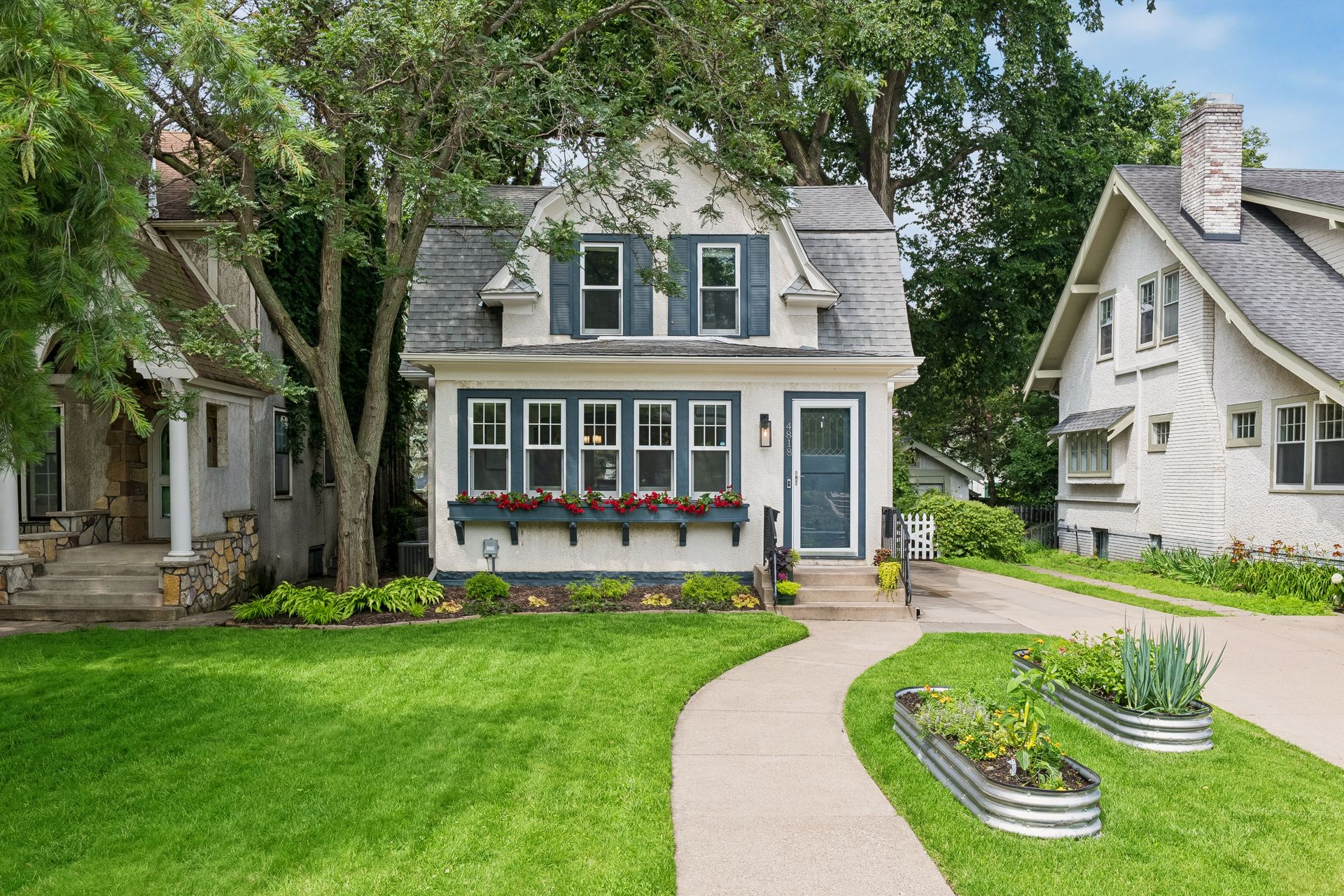
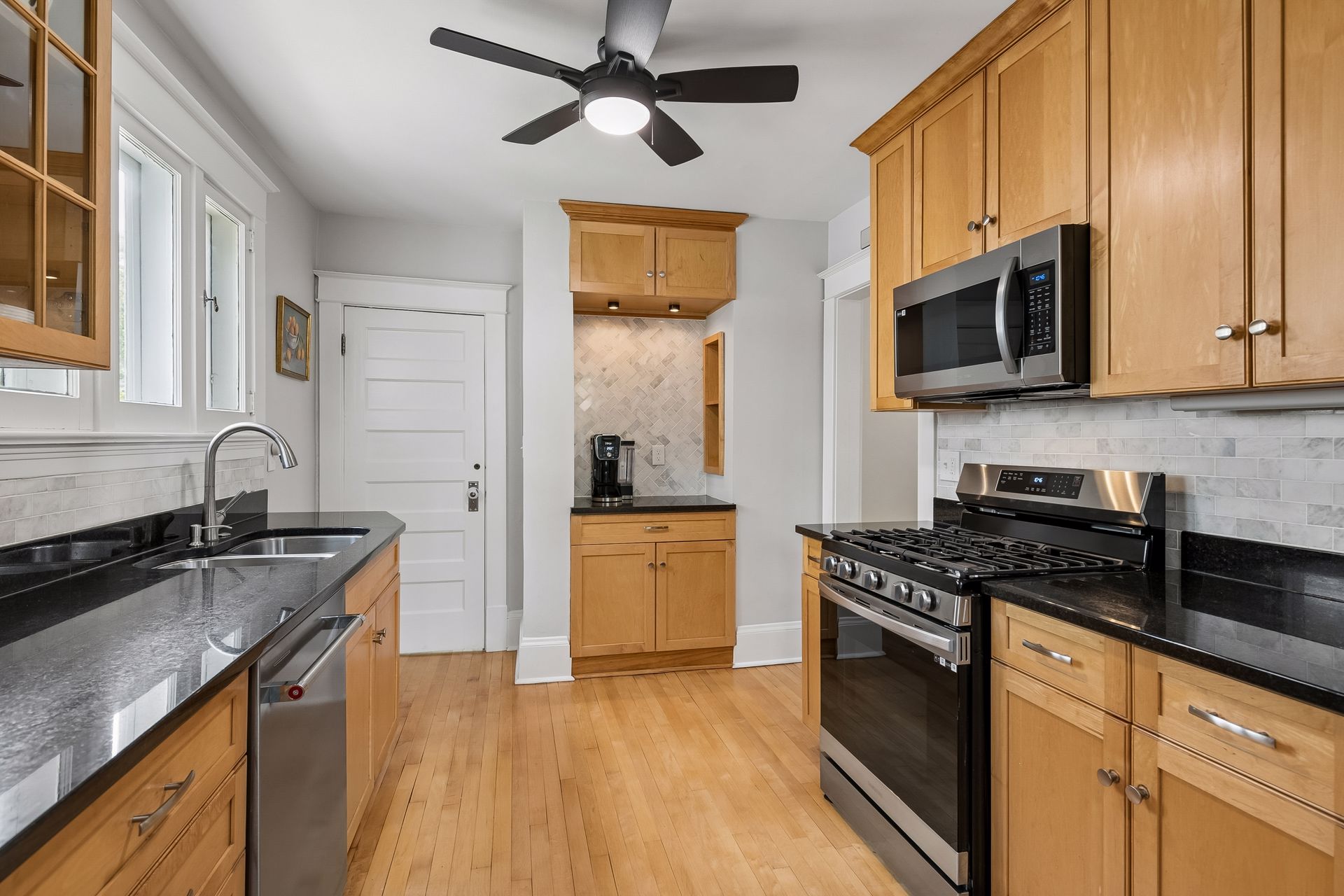
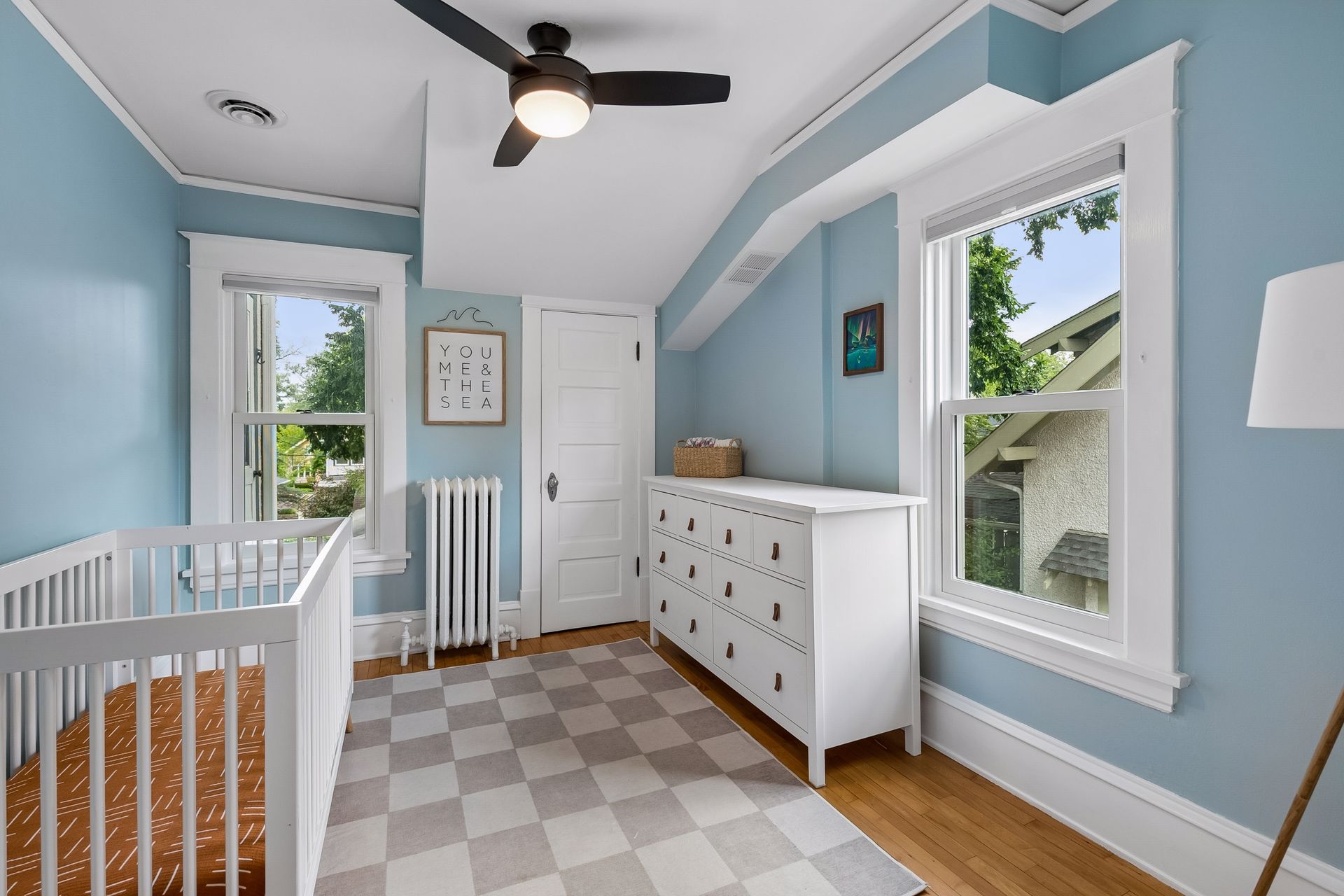
A Lynnhurst home we sold for $636,900 in 2026.
That's a good example of what I think buyers should be looking for in this range.
Not perfection.
Rather, ask whether the important pieces work together: location, layout, condition, bathrooms, garage and usable living space.
Compare that with today's inventory: browse Southwest Minneapolis homes currently for sale and set the search to your own price range.
What Happens Between $750,000 and $900,000?
At this point the geography shifts again.
There are more opportunities closer to the lakes in Linden Hills, Fulton, East Harriet and Lynnhurst, along with Tangletown. There are still excellent homes in King Field, Armatage and Kenny, but buyers now have more choices about whether they want to spend their money on location, size or condition.
The 2026 sales I've been tracking between $750,000 and $900,000 averaged roughly $815,000, about 2,550 finished square feet, nearly four bedrooms, approximately three bathrooms and a two-car garage.
But this is also where averages start becoming less useful.
Would You Rather Buy Location or Renovation?
We sold a completely remodeled home in Armatage this year for $888,000.
It had originally been a 1950s home but underwent a major renovation and expansion that gave it more of a modern farmhouse feel. It had four bedrooms, four bathrooms, approximately 2,600 finished square feet, a two-car garage, an open kitchen and living area, primary suite, three bedrooms upstairs and a finished lower level.
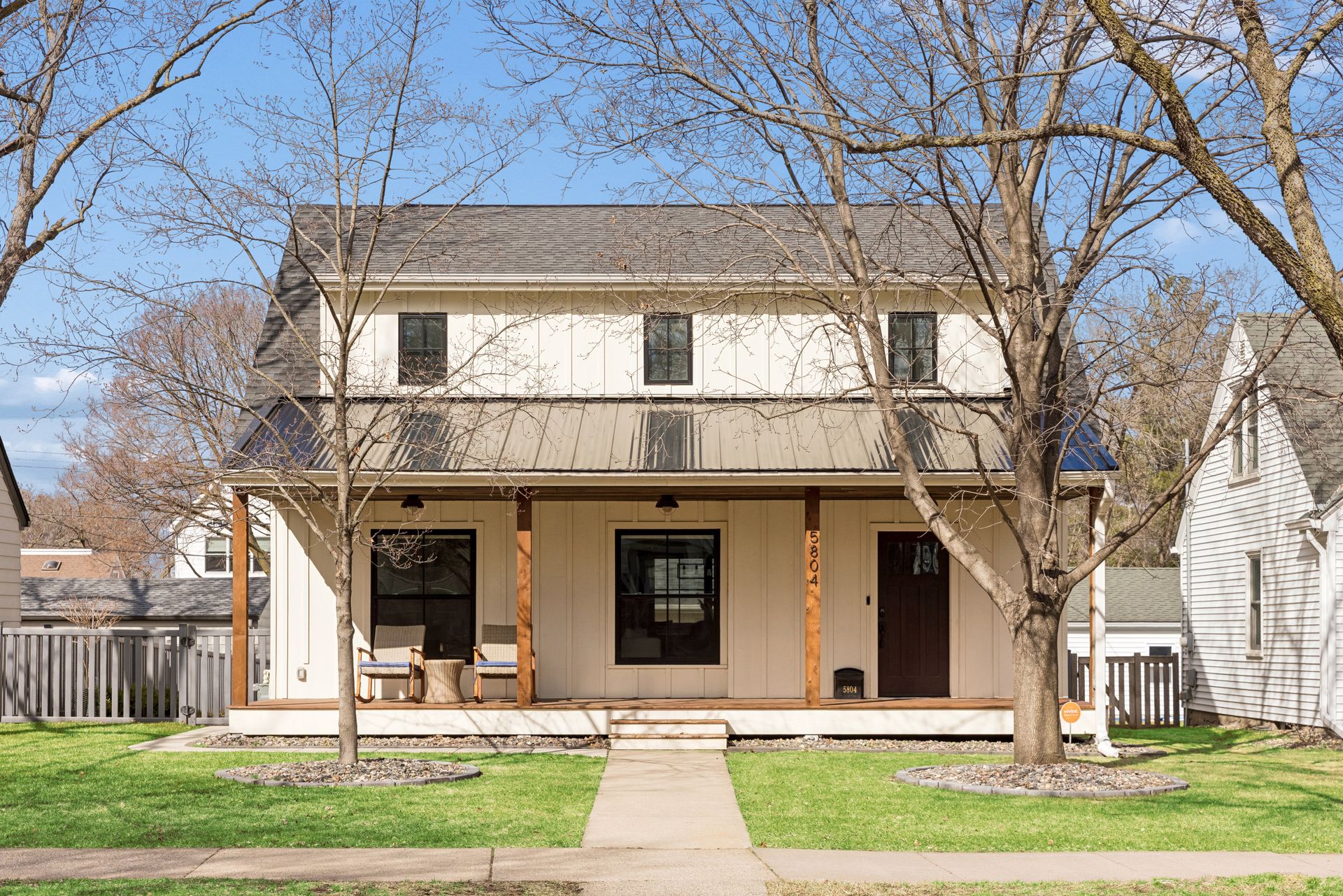
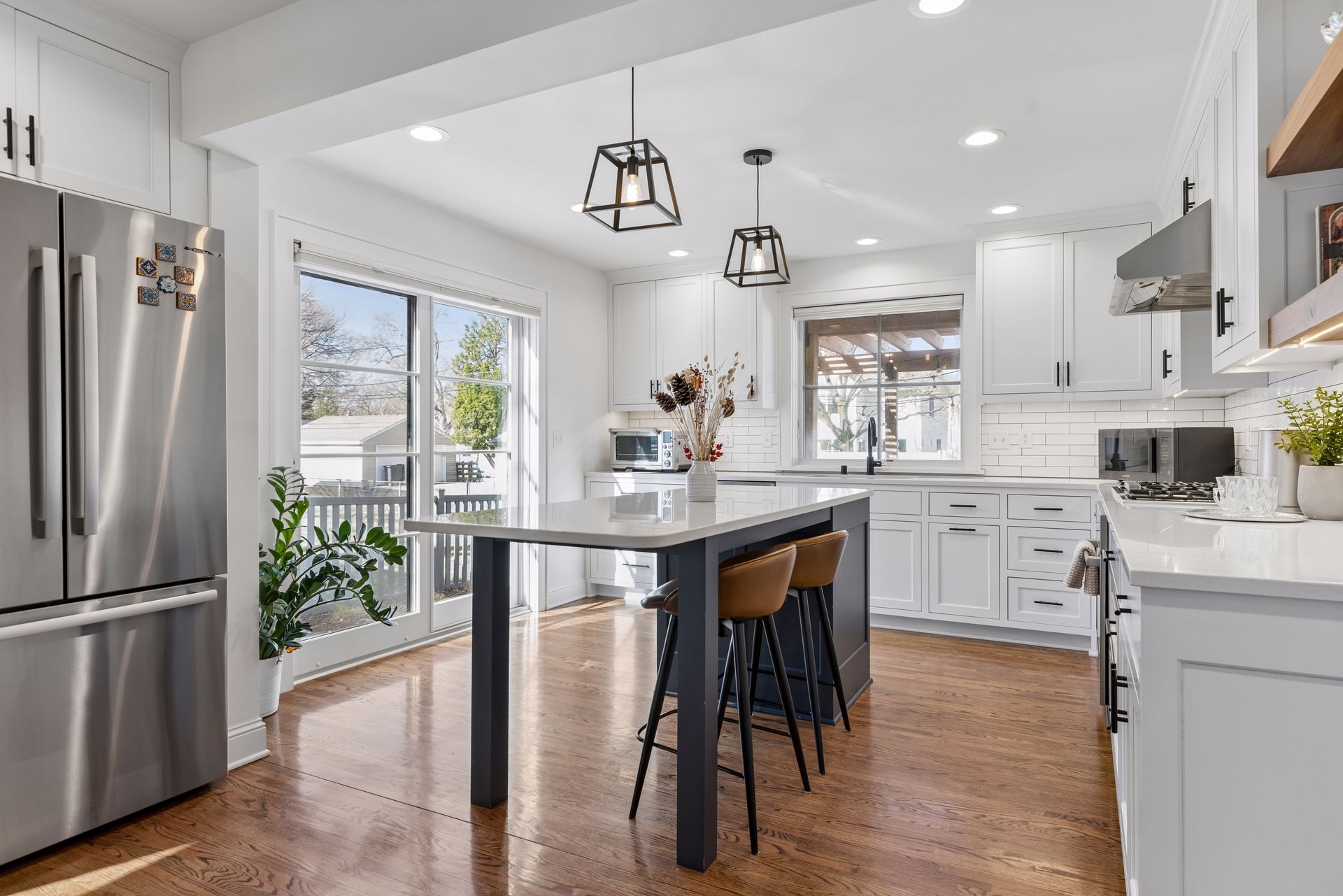
A remodeled Armatage home we sold for $888,000 in 2026.
It was an unusually complete house for the area and was the highest sale in its price bracket in Armatage at the time.
A buyer could instead take that same budget farther north toward the lakes and potentially accept an older kitchen, original windows, less square footage or another compromise in exchange for the location.
Neither choice is inherently better. That's where understanding what you're actually paying for becomes important.
Another Example: Tangletown
At a similar broad price point, the equation can look completely different in Tangletown. Instead of focusing purely on renovation level, buyers may be comparing architecture, topography, proximity to Minnehaha Creek and the character of an individual block.
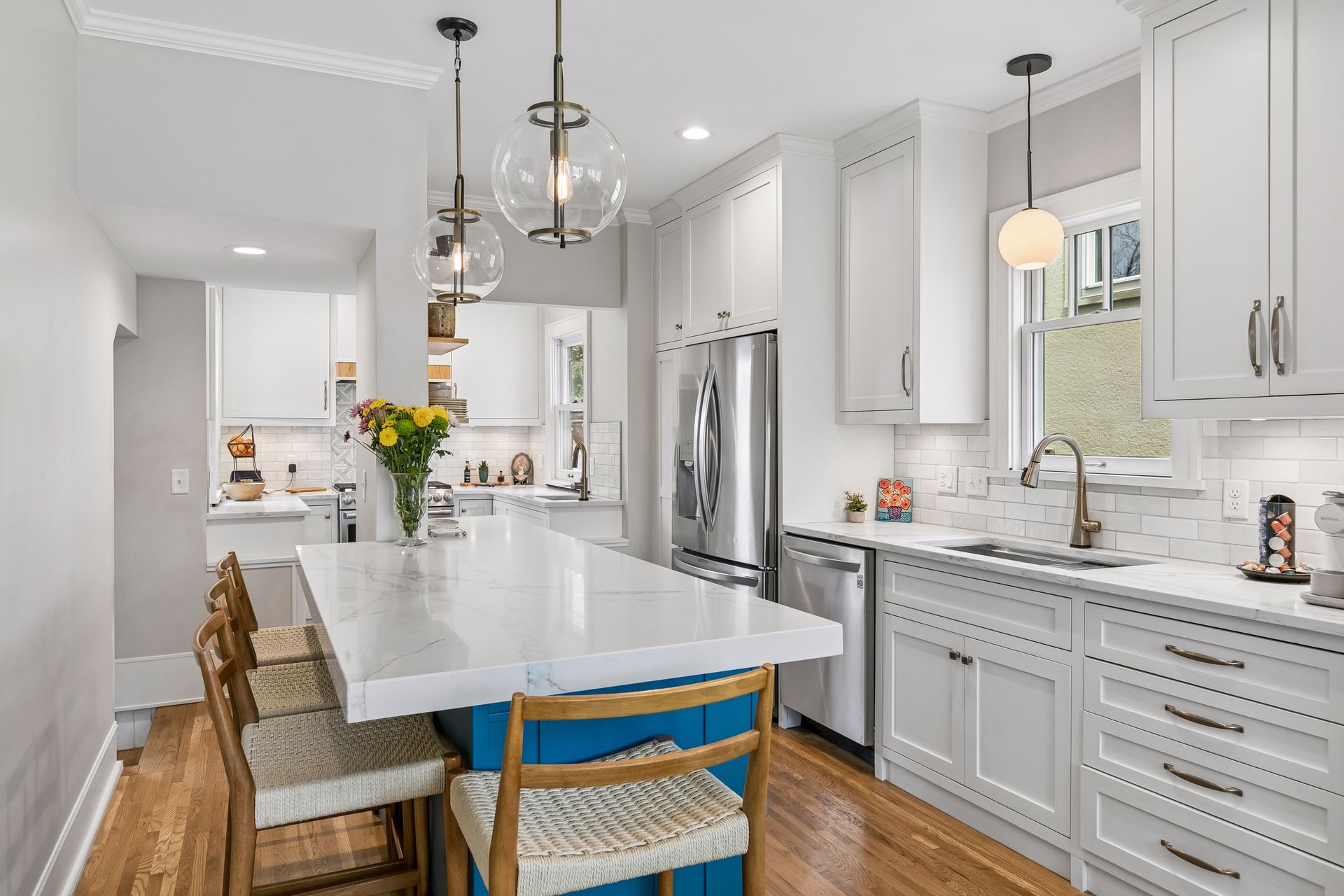
A Tangletown kitchen from a home in the roughly $700,000–$800,000 range.
What Makes an $850,000 House Worth $850,000?
Before I ever get to the kitchen countertops, I'm looking at the house from the street.
How is it positioned on the block? What do the neighboring houses look like? Does it have curb appeal? Is it on a distinctive street? How close is it to Minnehaha Creek or the lakes? Is this already the most expensive house on the block, or is there room for the property to support additional investment?
I've seen relatively original homes command very strong prices because the architecture, block and location were exceptional.
Earlier this year I walked through a Mediterranean-style home near the creek. The finishes weren't extraordinary. It still had original single-pane windows and there were certainly things a new owner could eventually improve.
But the curb appeal was fantastic, the street was beautiful, and it came on during a competitive spring market. It ultimately sold roughly $40,000 over its asking price.
We've also helped buyers purchase a clean, attractive two-story in Lynnhurst about a block and a half from the lake. The finishes weren't exceptionally high-end.
The location was.
Buyers paid a premium for it.
That's an important distinction in Southwest Minneapolis: the most renovated house isn't automatically the most valuable house.
Location Can Create a Market Within a Neighborhood
People sometimes talk about Southwest Minneapolis neighborhoods as though every block within them is interchangeable. They're not.
Minnehaha Parkway is an obvious example. Buyers specifically ask for it because of the mature trees, views and immediate recreational access to the creek and trail system.
Certain portions of Fremont Avenue and Kings Highway have their own distinctive feel. Some lots along Fremont in East Harriet and Lynnhurst can also be larger than a typical city lot.
Then there are tiny pockets that don't feel like the Minneapolis street grid at all.
Red Cedar Lane in Fulton is a short, cedar-lined street ending in a cul-de-sac. Forest Hill Road cuts through another part of Fulton with a completely different feeling from surrounding blocks. Tangletown is full of unusual streets and topography that create similar situations.
We saw an extreme example in Tangletown this year.
A home on the parkway came to market on an unusually large lot approaching half an acre, with sweeping views over the neighborhood and creek. The house itself was lovely but had some quirks in the floor plan.
It didn't really matter.
The lot, views, architecture and setting made the property feel like something that belonged on a postcard. It was strategically priced to create competition and ultimately sold several hundred thousand dollars above list price.
You can't reproduce that lot somewhere else.
That's why I think of Southwest Minneapolis as a collection of micro-markets inside the larger neighborhoods.
Tangletown is an especially good example of how topography, lot position and street layout can affect individual properties. I've written a separate guide to living in Tangletown and its homes along Minnehaha Creek.
What Does $900,000 to $1.25 Million Buy?
Now the average house becomes substantially larger.
In the 2026 sales I've reviewed between approximately $900,000 and $1.25 million, the average property has been around $1.06 million, with just over four bedrooms, approximately three-and-a-half bathrooms, a two-car garage and roughly 3,100 finished square feet.
As you move toward $1.2 million, seeing 3,000 to 4,000 square feet becomes more realistic.
You'll also encounter substantially renovated kitchens and bathrooms, higher-end appliances, newer windows and more complete primary suites.
Premium locations become a bigger part of the equation as well: parkways, creek locations, distinctive streets and homes closer to the Minneapolis lakes.
Farther south in neighborhoods such as Armatage, this budget can occasionally put newer construction into consideration.
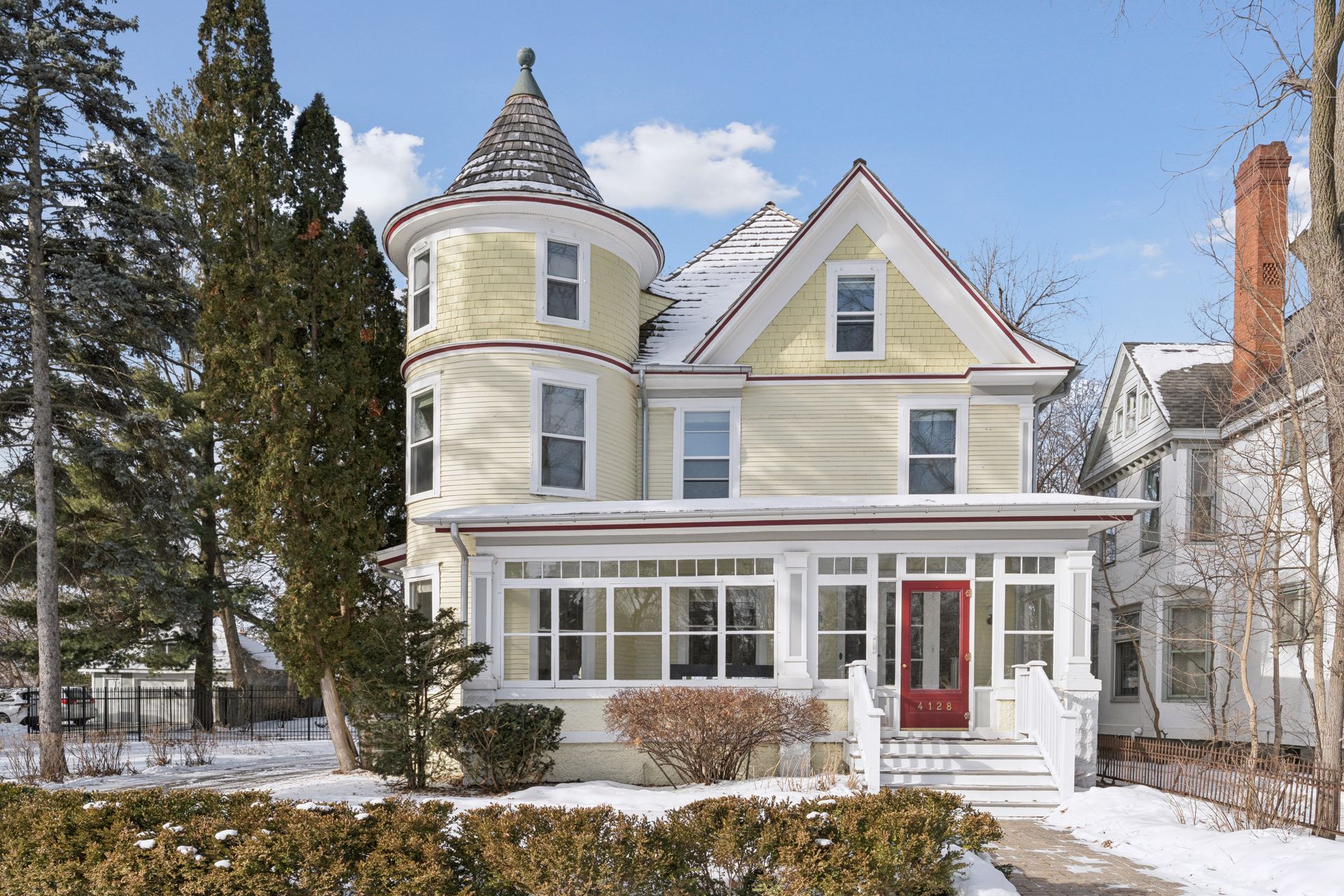
An example from Linden Hills around the $1.2 million price range.
But spending $1 million in Southwest Minneapolis still doesn't guarantee perfection.
The $1 Million House May Still Have Compromises
This can surprise buyers coming from newer suburban housing.
A Minneapolis listing may say it has a two-car garage. Technically, it does. Whether you're comfortably putting two modern SUVs in it is another question.
The house might have custom closet systems and still have relatively small closets because the underlying dimensions haven't changed since the 1920s.
It may not have a true primary bathroom.
And there's another quirk I see surprisingly often in expensive older homes: there isn't an obvious place to watch television.
These houses were designed around formal living rooms, dining rooms and fireplaces—not today's large televisions. Sometimes the finished basement becomes the TV room. Sometimes an addition solves the problem beautifully. Sometimes buyers simply have to decide how they'll use the original floor plan.
We currently have a Kenwood home on W 22nd Street listed just under $1 million that illustrates what happens when many of those boxes are checked. It's approximately 3,400 finished square feet with four bedrooms, four bathrooms, a primary suite, main-floor half bathroom, two-car garage with additional storage, custom closets and significant storage throughout.
It also has a rear addition that creates a real everyday living room.
Those details matter because they aren't automatic, even around $1 million.
Bigger House Doesn't Always Mean Bigger Yard
As prices increase, buyers generally get more house and a higher level of finish. They don't necessarily get more land.
Most Southwest Minneapolis lots remain relatively similar in size as home values increase. Occasionally you'll find a double lot or another unusually large parcel, but those are exceptions.
With newer construction, the opposite can happen. A large new home may extend significantly farther into the lot, giving you considerably more interior square footage but actually leaving less usable backyard.
Again, the headline numbers don't tell the entire story.
If you're comparing homes in this range right now, search the current Southwest Minneapolis inventory here. Looking at the active listings side by side is one of the easiest ways to see the tradeoff between location, renovation and square footage.
Why I Don't Rely Heavily on Price Per Square Foot
Price per square foot can be useful as one point of comparison. I don't think it's particularly useful as the answer to what a Southwest Minneapolis home is worth.
Suppose two houses are both listed at $750,000. One has 2,400 finished square feet. The other has 1,900.
It would be easy to conclude that the 2,400-square-foot house is the better value.
Maybe it is.
But how much of that square footage is above grade?
A house with 1,500 square feet above grade and 900 finished in the basement can live very differently from a house with 2,000 square feet above grade.
I've also shown homes where the price per finished square foot initially looked high because the basement wasn't counted as finished space. But the basement was well suited for finishing, already had an egress window and needed relatively straightforward framing, drywall and finish work.
The spreadsheet makes that house look expensive. The actual property tells a different story.
Then add everything square footage doesn't measure: kitchen and bathroom quality, windows, roof, mechanicals, curb appeal, architecture, garage, lot size, views and proximity to the lakes or creek.
A 1,200-square-foot house in an exceptional location can legitimately have a much higher price per square foot than a substantially larger house somewhere else.
What I Look for When Touring an Older Southwest Minneapolis Home
Before getting distracted by finishes, I start with the things that are hardest—or impossible—to change.
Location is first.
How does this particular house fit its location and price point? What does the street look like? How does the property present from the curb?
Then I'm looking for indications of how the house has been cared for.
I look at landscaping and grading. I look at the exterior and stucco. I look at whatever portion of the roof I can reasonably see from the ground. Where are the gutters and downspouts taking water?
If I see heat cables along the roof, that doesn't mean there's something wrong with the house. Ice dams are common in Minnesota. But it gives me something to ask about.
Inside, I'm thinking about layout because that's expensive to change.
Then mechanical systems enter the equation. How old is the furnace? Air conditioner? Water heater? Electrical panel? Roof? Windows?
An older mechanical isn't automatically a problem. It needs to be understood in the context of the home's price, condition and the buyer's budget.
What My Own Older Homes Taught Me
I learned this myself with my first two houses.
My first home needed substantially more work than I really appreciated when I bought it. My second was of a similar 1920s vintage, but the previous owners had maintained it meticulously and had already done much of the heavy lifting.
I knew, for example, that the water heaters were approaching replacement while other mechanicals were around midlife. Relative to the condition and value of the entire property, that didn't concern me.
That's very different from buying a house where the roof, windows, electrical, HVAC and plumbing are all approaching major replacement at the same time.
In the basement, I'm using my senses. Does it smell musty? Do I see evidence of moisture? Are there notable cracks? How does the foundation look?
I'm also looking for opportunity. If a pre-1950 house has carpet, for example, there may be hardwood underneath. With permission, sometimes you can carefully lift an inconspicuous corner and get an idea of what's there.
None of this replaces a professional home inspection. It's about recognizing questions worth asking before you ever reach that point.
If older housing stock is part of your search, my 12 things I look for before the home inspection goes deeper into this part of the process.
Renovation and a Flip Aren't Necessarily the Same Thing
There's some gray area here.
A flipped house isn't automatically a bad house. Sometimes a good flipper gets a property most of the way to where a buyer wants it, and there's real value in that.
What I'm trying to determine is what happened underneath the cosmetics.
New quartz countertops, new paint and trendy light fixtures are easy to see.
Did they replace the roof? What about the windows? How old are the mechanicals? What happened with the electrical? Were permits pulled for work that should have required them? Are there numerous unfinished punch-list items that make me wonder about the attention to detail elsewhere?
I once represented a buyer on a completely flipped/renovated property. When I checked the permit history, the only permit we initially found associated with the project was for the dumpster.
That didn't automatically kill the deal.
It caused us to ask more questions, negotiate further during the inspection period and make sure the inspector took an especially careful look at the work.
Electrical is another example. Rather than simply seeing a newer-looking panel, I want to understand whether the service is 100, 150 or 200 amps, how full the panel is and whether that system works for what the buyer may eventually want to add.
Original single-pane windows are another area where context matters. They're extremely common in older Minneapolis homes. Their existence alone doesn't mean someone shouldn't buy the house.
My expectations are simply different if someone is asking a fully renovated premium price while most of the expensive infrastructure remains untouched.
What Does "Fully Renovated" Really Mean?
The other end of the spectrum is an older house where long-term owners have invested in it for years because they were actually living there.
I've worked with homes where owners have addressed things such as quality replacement windows, insulation, electrical panels, heated floors and substantial interior renovations over time.
Those improvements aren't all glamorous. Nobody buys a house because they fell in love with an electrical panel.
But when you walk through a home where those things have been addressed along with the kitchen, bathrooms and finishes, you begin to understand why one renovated older home may command a premium over another one that simply photographs well.
So, What Does Your Budget Really Buy?
If there's one thing I hope buyers take from all of this, it's that there isn't a single Southwest Minneapolis housing market.
At under $500,000, you're likely making more choices about size, condition and location, but there are still opportunities to buy into these neighborhoods.
Between $500,000 and $750,000, the houses generally get larger, two-story layouts and two-car garages become more common, and more inventory begins appearing closer to the lakes.
Between $750,000 and $900,000, buyers increasingly choose between premium renovation and premium location.
Around $1 million and above, homes generally become larger and more substantially renovated, but even then Southwest Minneapolis doesn't suddenly turn into a market where every house has a giant primary suite, three-car garage, enormous closets and huge backyard.
These are established neighborhoods filled largely with houses built many decades ago. That's part of what makes them interesting.
The goal isn't necessarily to find the house with the longest feature list.
It's to understand which things you're paying a premium for, which compromises you can live with, which things you can change later—and which things you can never change at all.
After walking through thousands of Minneapolis homes over the years, that's still where I start: location, layout and the underlying quality of the house first.
Everything else comes after that.
Explore Southwest Minneapolis Homes & Neighborhoods
If you're ready to see how these price ranges compare with today's market, start with the Southwest Minneapolis homes for sale and real estate guide. From there you can search the current inventory and adjust the price, bedrooms, bathrooms and other criteria that matter to you.
You can also explore individual neighborhood guides for Linden Hills, Fulton, East Harriet, Tangletown, Armatage, Kenny, King Field and Kenwood.
For more on what makes this part of Minneapolis different, read 10 Reasons I Love Living in South and Southwest Minneapolis and my guide to living near the Minneapolis lakes and how location affects home values.
If you're trying to figure out what your budget realistically buys in Southwest Minneapolis, contact Mike Seebinger and the Seebinger Group at DRG. I can help you compare the houses, blocks and tradeoffs that aren't always obvious from the MLS.
Enjoy this blog post? Click here to subscribe for updates
Leave A Comment