
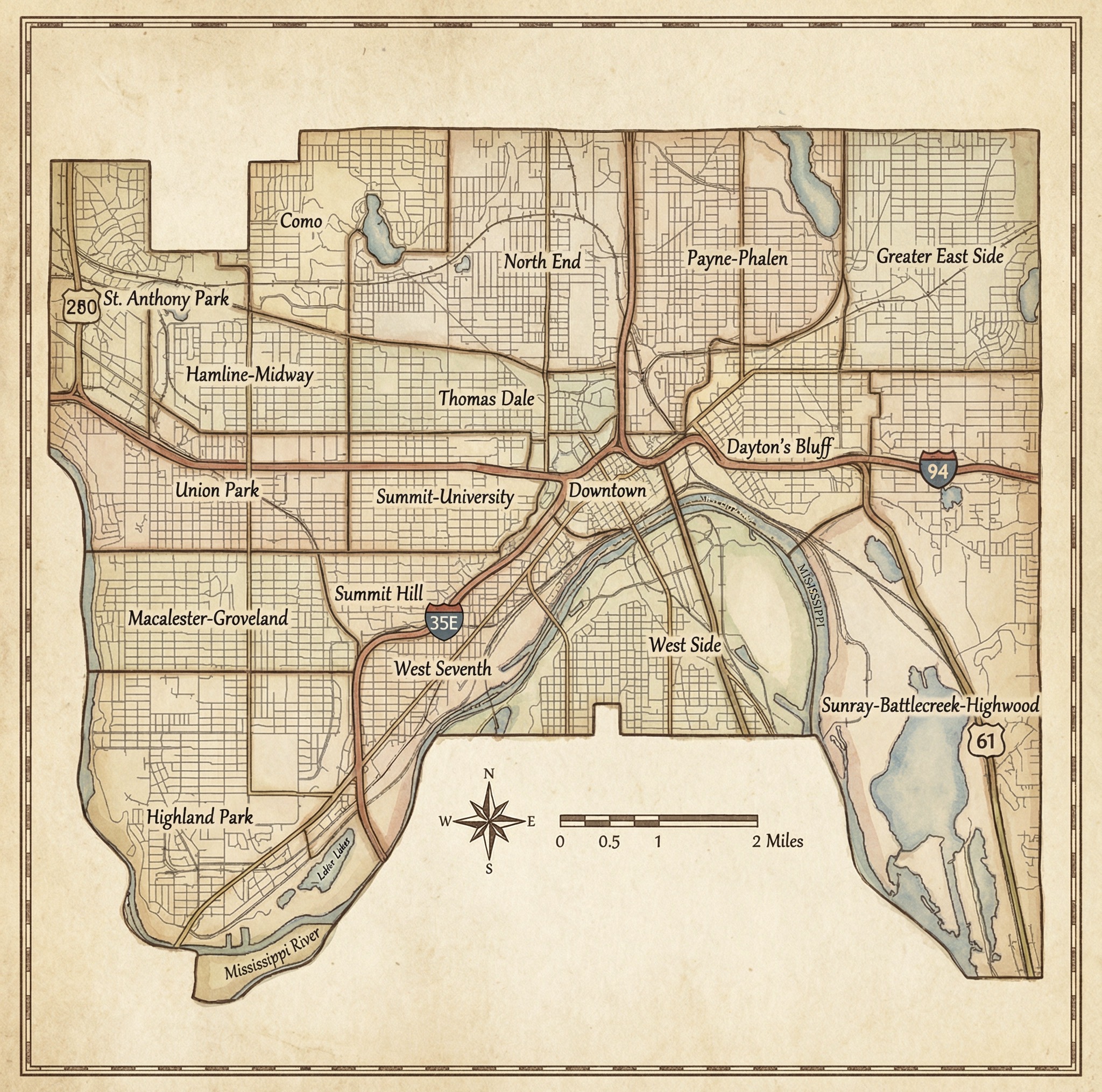
St. Paul Residential Real Estate Guide: Neighborhoods, Home Styles, and What It’s Like to Live Here
If you’re considering a move to St. Paul—or you already live here and are thinking about buying or selling—this page is designed as a practical, neighborhood-first guide. St. Paul is a city of distinct pockets: classic architecture, strong community identities, river and bluff geography, and a layout that can feel very different depending on which side of downtown you’re on.
If you want a customized plan (timing, pricing strategy, what to prioritize in a walk-through, or how to compete in a tight neighborhood), you can schedule a consultation.
St paul

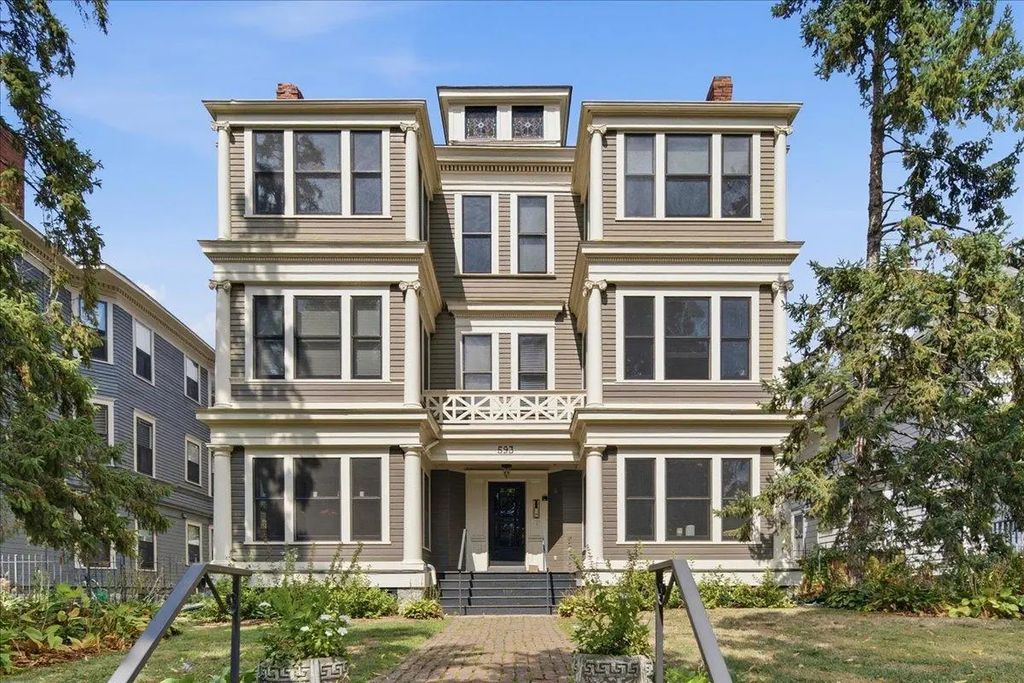
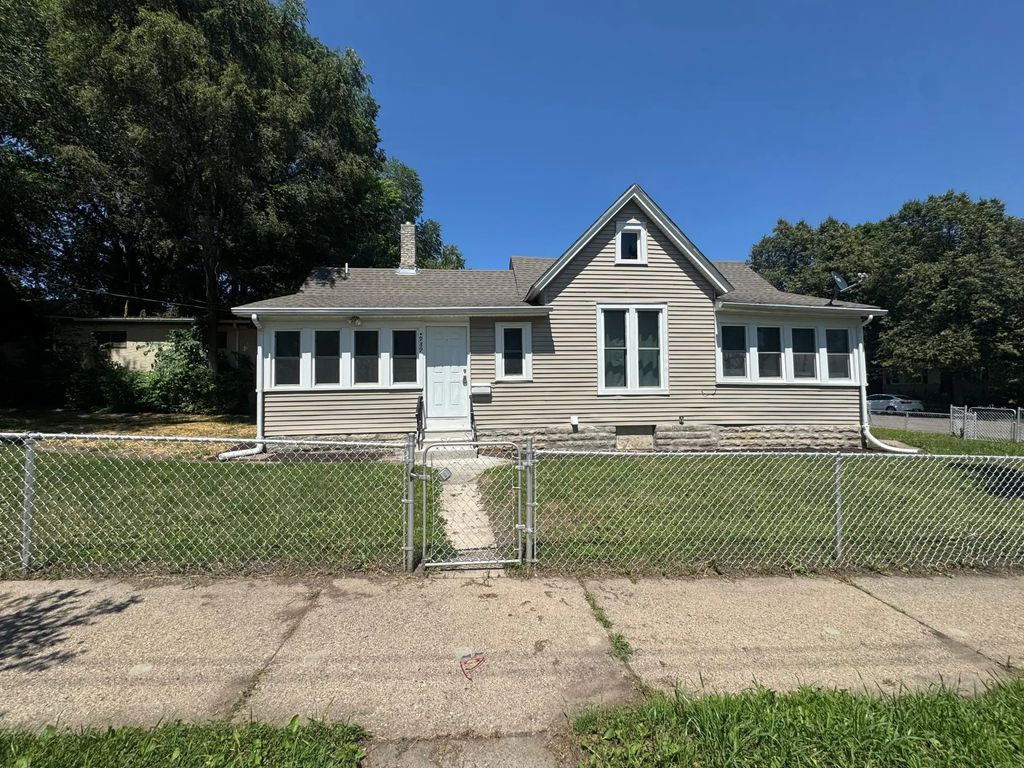
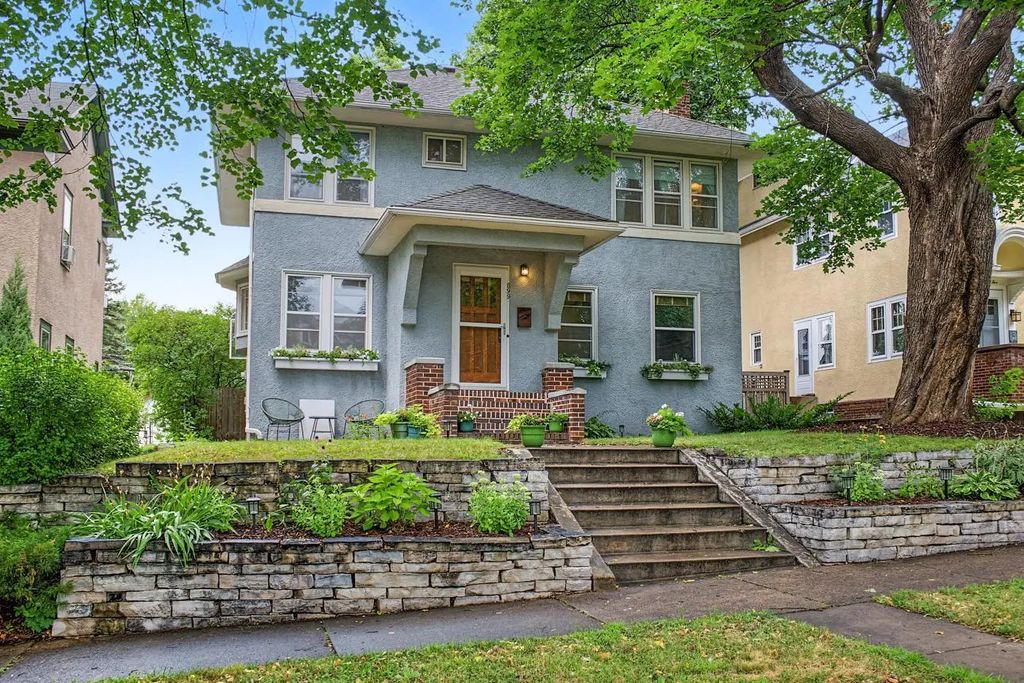
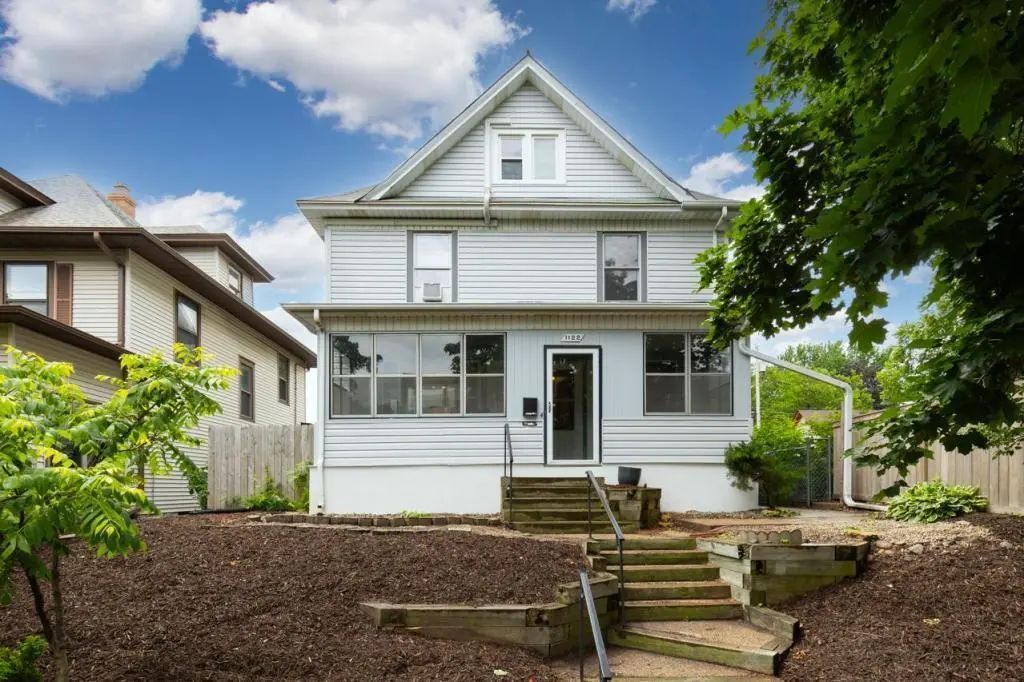
St. Paul Neighborhoods at a Glance
Below are the St. Paul neighborhood names pulled from your map image. Use this as a quick navigation hub.
- Como
- St. Anthony Park
- Hamline-Midway
- North End
- Thomas Dale
- Union Park
- Summit-University
- Summit Hill
- Downtown
- Dayton’s Bluff
- Payne-Phalen
- Greater East Side
- West Side
- West Seventh
- Macalester-Groveland
- Highland Park
- Sunray-Battlecreek-Highwood
How St. Paul Housing Typically “Feels” by Area
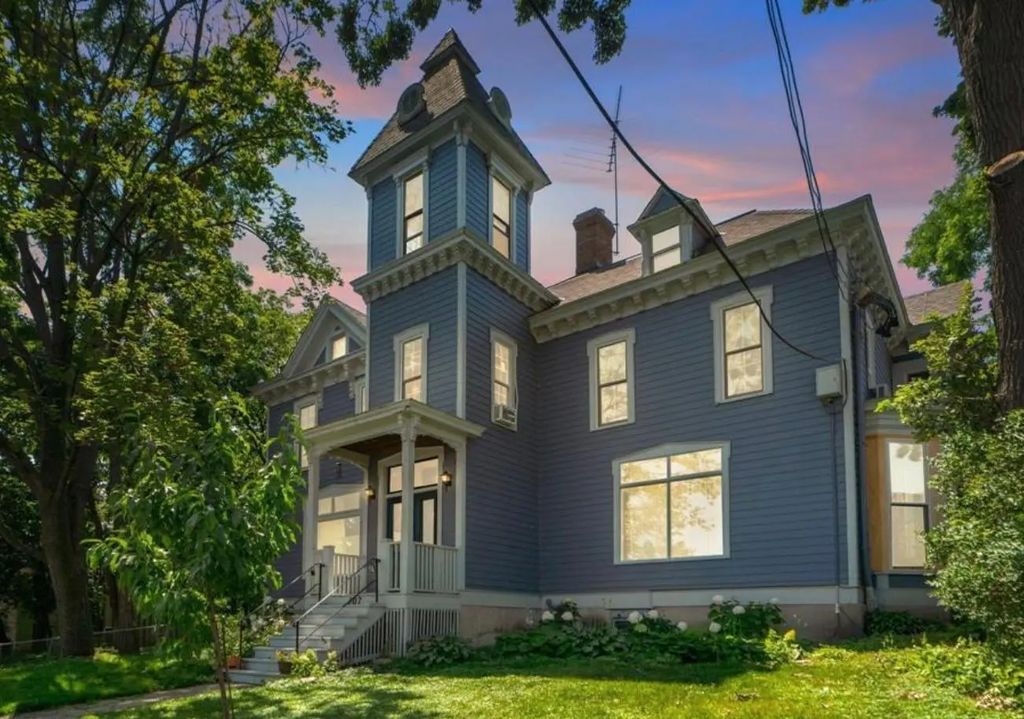
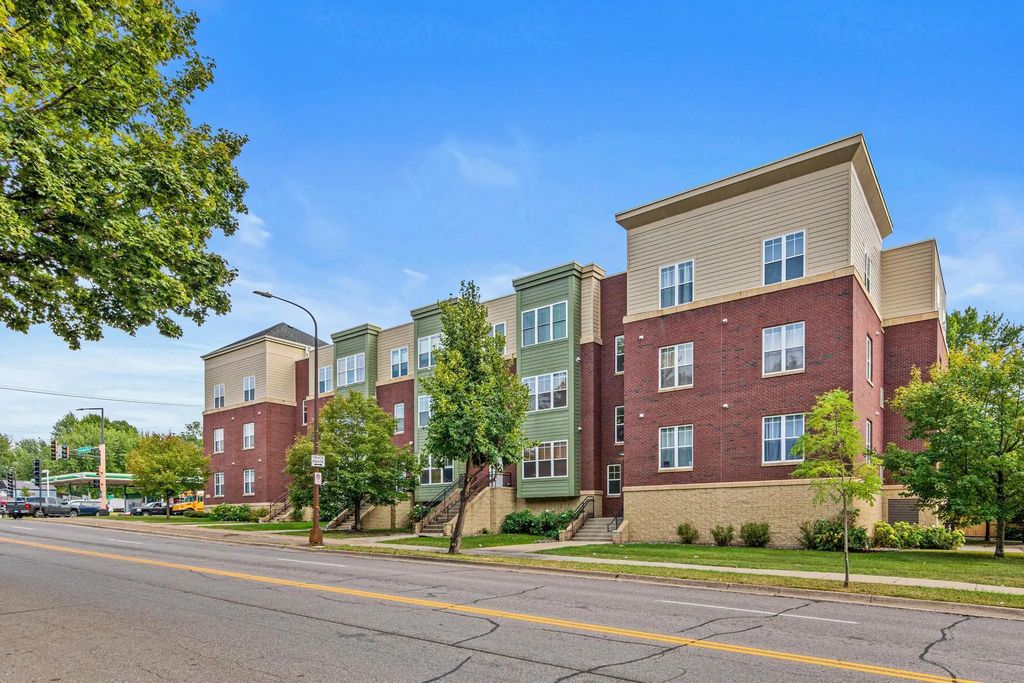
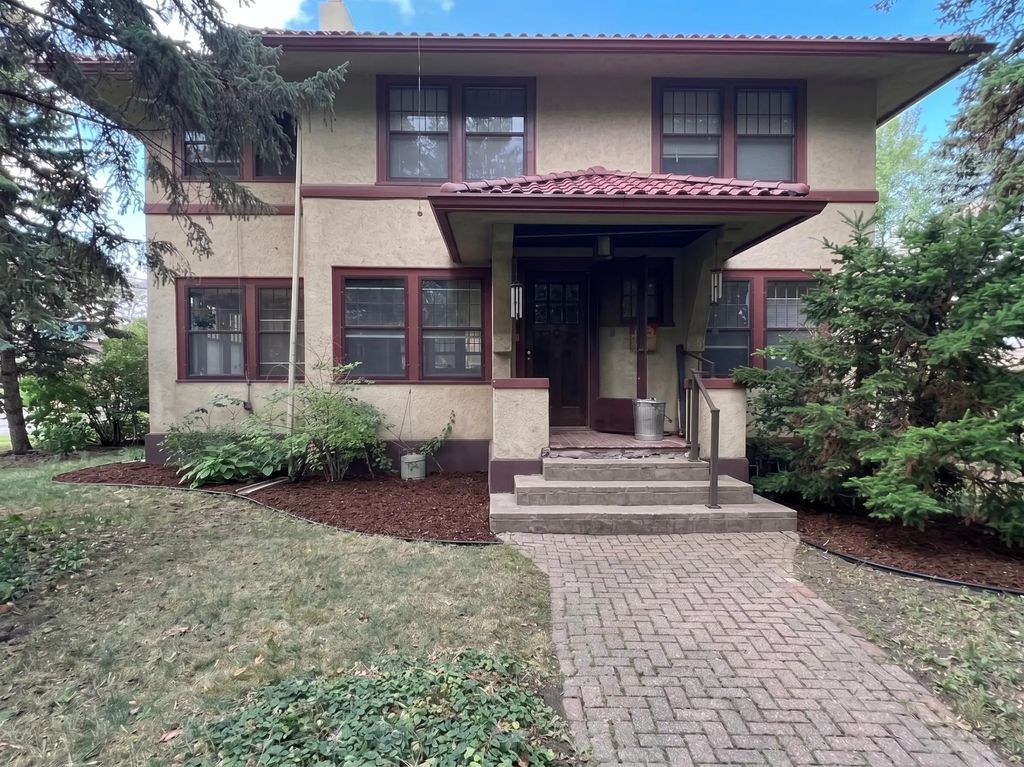
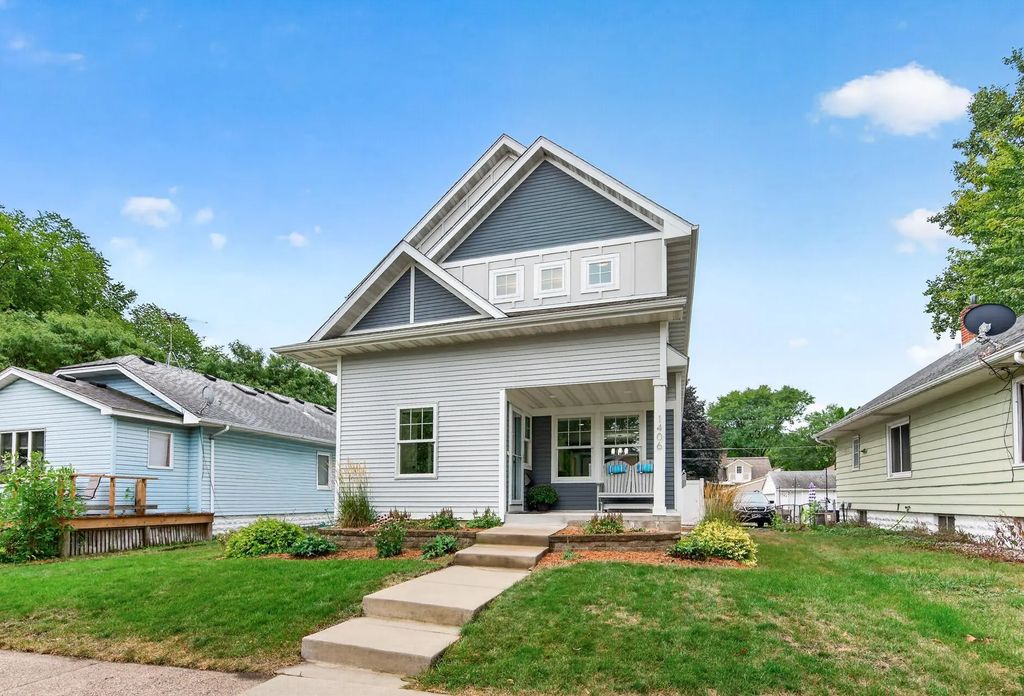
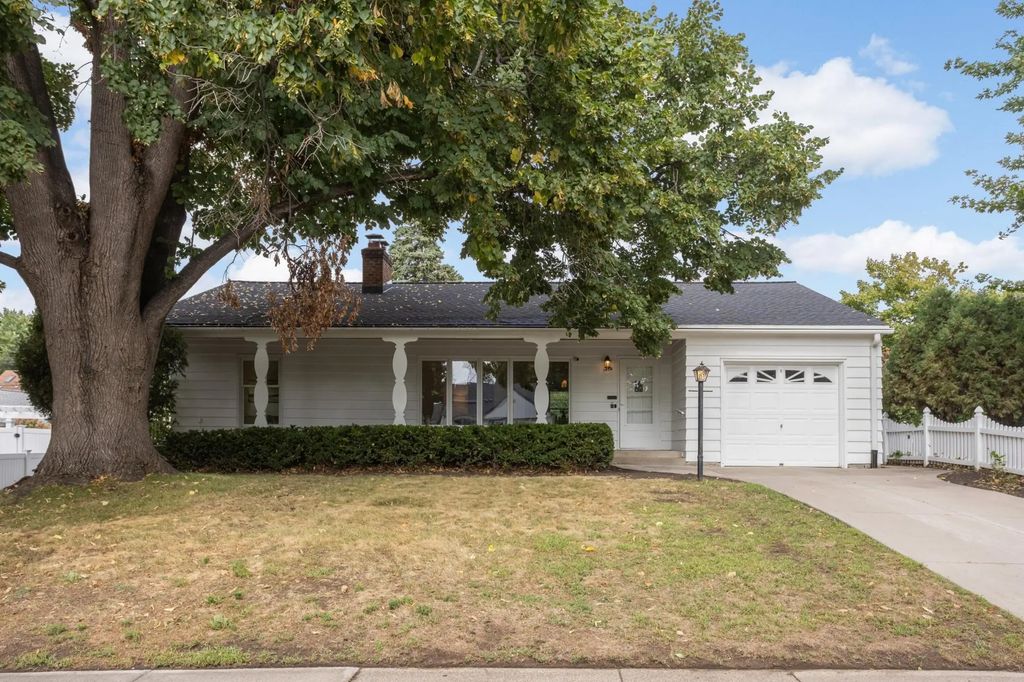
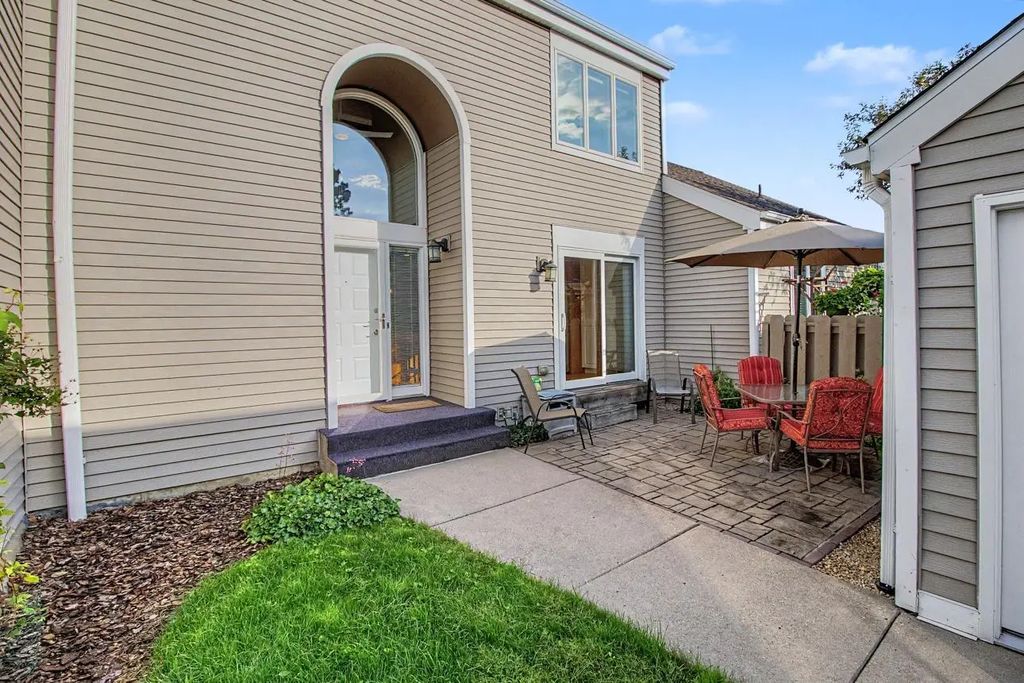
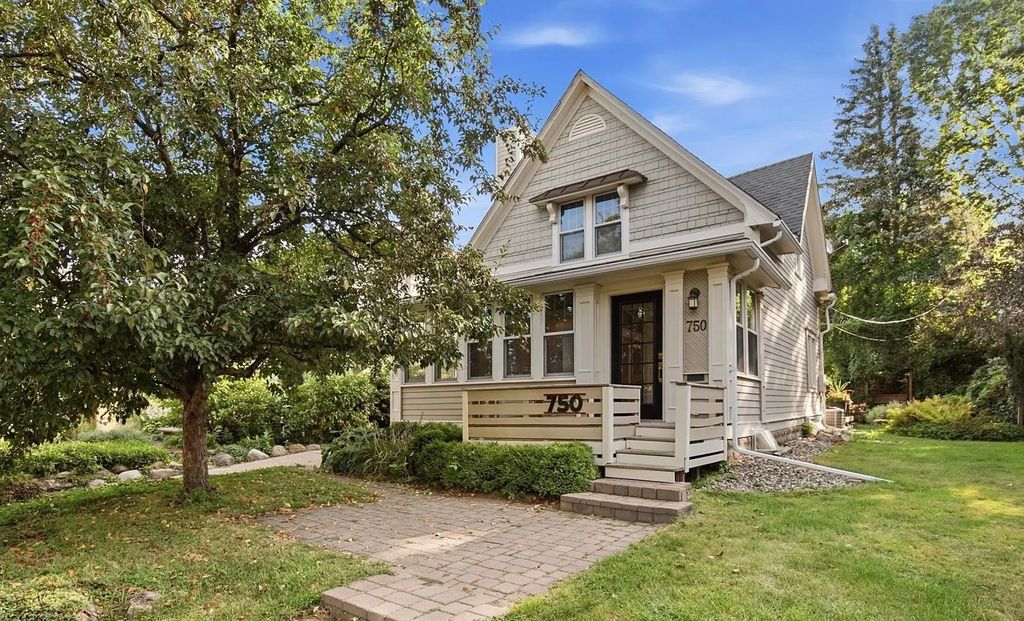
St. Paul tends to reward buyers who like character and neighborhood identity. The city’s housing stock spans everything from historic single-family homes and classic 1.5-story layouts to duplex/triplex options, plus pockets of newer construction and condo/urban living closer to downtown.
What buyers often prioritize in St. Paul
- Architecture & character: older homes, mature trees, established blocks, and distinctive street patterns.
- Commute logic: access to downtown St. Paul, Minneapolis, and major corridors can vary a lot by neighborhood.
- Topography: the Mississippi River and bluff geography affect views, walkability, and winter driving patterns.
- Block-by-block differences: condition, renovation levels, and micro-locations matter more than people expect.
Neighborhood Snapshots
These are intentionally practical “first pass” notes. When you’re ready, I’ll help you narrow to the handful of areas that match your daily routine, commute, and home style preferences—then we’ll dial in street-level targeting.
Como
Known for a classic St. Paul feel with green space access. If you want a residential setting with an easy “neighborhood loop” lifestyle—walks, parks, and a calm pace—Como is a common fit.
St. Anthony Park
A neighborhood many buyers like for its established charm and community identity. It often appeals to people who want a traditional St. Paul vibe and a strong sense of place.
Hamline-Midway
A central location with a mix of housing types. Depending on your exact micro-area, you’ll see a range of home conditions and price points—so the strategy is usually to focus on the best blocks and the right “renovation tolerance” for your goals.
North End
Offers an established neighborhood grid and a residential profile. A good option for buyers who value space and a more classic city layout, where understanding street patterns and commute routes can make a big difference.
Thomas Dale
Often draws buyers looking for city living with a neighborhood feel. As with many St. Paul areas, block selection and home condition are key, and it’s worth being targeted rather than broad.
Union Park
A well-known St. Paul neighborhood name with a mix of housing stock. Buyers often like being near multiple parts of the city without feeling locked into a single “bubble.”
Summit-University
A historic-feeling area where architecture and street character can be a major draw. When shopping here, it’s smart to look closely at systems, maintenance, and renovation history—older homes can be incredible when well cared for.
Summit Hill
One of the more recognizable classic St. Paul areas in terms of character and housing presence. If you love historic architecture and a polished neighborhood feel, this is often on the shortlist.
Downtown
For buyers who want an urban lifestyle—walkability, events, restaurants, and quick access to riverfront amenities—Downtown is the hub. If you’re considering condo living, we’ll focus on building quality, HOA health, and daily-life logistics (parking, storage, elevators, pet rules).
Dayton’s Bluff
Bluff geography and neighborhood texture can be part of the appeal here. I typically advise buyers to pay attention to views, access routes in winter, and home improvements that match the era of the property.
Payne-Phalen
A large neighborhood footprint with multiple sub-areas. This is where clarifying your priorities (lot size, garage needs, renovation appetite, commute patterns) helps narrow the search quickly.
Greater East Side
A broad area where the right strategy is usually to identify a few target pockets that match your lifestyle and commute. Home condition can vary, so a strong showing plan and a realistic repair/upgrade budget can be important.
West Side
Defined partly by its relationship to the river and downtown access. Great for buyers who want a distinct neighborhood identity and proximity to core city amenities.
West Seventh
A neighborhood many people recognize for its location and “in-the-city” convenience. It can be a strong fit for buyers who want quick downtown access and a lively neighborhood rhythm.
Macalester-Groveland
Often sought for a classic residential feel with strong neighborhood identity. When homes come up here, being prepared matters—good properties can move quickly, and the best approach is usually to target specific streets and house styles.
Highland Park
A frequent favorite for buyers who want a neighborhood feel with practical daily-life convenience. If you’re balancing home size, layout, and an easy routine (schools, parks, shopping), Highland Park is commonly part of the conversation.
Sunray-Battlecreek-Highwood
A neighborhood name that covers multiple pockets and housing styles. Strategy here often starts with commute routes and the specific home features you won’t compromise on (garage, yard, number of bedrooms, finished lower level, etc.).
Buying or Selling in St. Paul: Practical Advice
Buying
- Define your “non-negotiables” early: garage needs, lot size, renovation tolerance, and commute timing.
- Old home due diligence: many St. Paul homes benefit from a strong inspection plan and realistic improvement budgeting.
- Be block-specific: St. Paul is famous for micro-locations that can change the feel—and value—more than people expect.
Selling
- Prep is leverage: small repairs, paint, lighting, and curb appeal matter heavily in older-home neighborhoods.
- Pricing strategy matters: “best block” properties can outperform nearby comps when the marketing and launch timing are right.
- Storytelling sells: highlight architecture, updates, lifestyle, and proximity to parks/river amenities without overhyping.
If you want a neighborhood-specific plan (buying or selling), you can schedule a consultation.
St. Paul Real Estate FAQs
What’s the best St. Paul neighborhood for me?
The best fit usually comes down to your daily routine: commute, school preferences, walkability, home style, and renovation appetite. Once those are clear, we can narrow quickly from “all of St. Paul” to a handful of target areas.
Are St. Paul homes mostly older?
Many St. Paul neighborhoods feature older housing stock with character. That’s a benefit, but it makes inspection strategy, maintenance history, and renovation planning more important.
How do I know if a home is priced correctly?
The best approach is hyper-local comp work: same neighborhood, similar style, similar condition, and similar street-level appeal. I’m happy to help you pressure-test pricing on any property you’re considering.